

“Trump Arrangement Syndrome”, my propensity to see the world refracted through the lens of the omnipresent ogre’s cult, raised its head again. In watching a mad monarch, dementia tearing at their mind, insults raining down on those who fail to praise them, he loomed large in the consciousness yet again. How long will it be before we can look upon Lear and not see the orange man-child? Soon, I hope - but I doubt it.
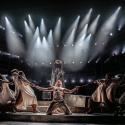
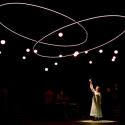
Finn den Hertog, listed as director and adapter, has a wonderful stage on which to work, a fine cast and, for only the eighth time in the 75-year history of Pitlochry Festival Theatre, a Shakespearean production to mount. Understandably, he throws a lot at it; understandably, it doesn’t all work.
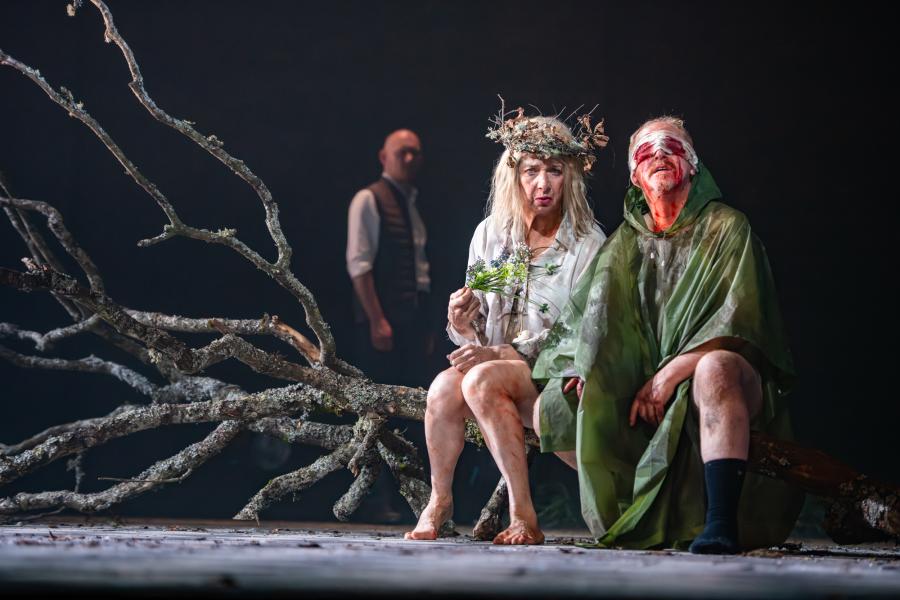
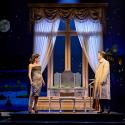
Maureen Beattie (pictured above with Forbes Masson) follows in the footsteps of Glenda Jackson as the ageing Queen, so consumed by the need to be flattered that she divides her realm between her daughters according to their enthusiasm exalting her. Regan and Goneril play ball, long accustomed to knowing how to get what they need from a parent who does not love them, but Cordelia, the youngest, perhaps complacent having been a favourite for so long, refuses to abase herself. She pays - eventually they all pay.
The insults fly (there are a lot of insults in this play), virtuous Cordelia is banished and, Shakespeare as ever with one eye on his own politically roiling country and his own skin as its leading entertainer, shows how a nation falls apart when it’s split. He would certainly have voted Remain ten years ago and would be appearing on podcasts now, giving it plenty of “I told you sos”.
By casting Lear as female, the balance of the play tilts - the relationship between a mother and her daughters (obviously) not the same as that between a father and his. Initially not much is made of this, as Beattie is costumed and coiffured to suggest Margaret Thatcher, once dubbed the best man in the cabinet, and the towering rages feel more like male anger born of insecurity as physical and mental powers wan. But as she grows older almost visibly, she does look more like a woman, alone and forsaken by those who once loved her - a fate that will hit more and more widows as Boomers hit old age and men die earlier.
Jenny Hulse’s Goneril is dressed, by designer Emma Bailey, like a 1980s Sloane Ranger suggesting a sense of entitlement we probably did not need underlining. Lindsay Campbell goes full psycho as pixie-chick Regan, whose stilettos do rather more than just giving her the air of a dominatrix. There’s more S than B, D or M in her proclivities.
It’s easy to forget how just how long Cordelia disappears from the play having made her stand for rationality over wild emotions and given us someone to foot for, but Ailsa Davidson doubles perfectly as The Fool, whose absurd dress and endless joshing disguises her courage in speaking wisdom to power. Are you watching Count Binface?
Despite the female tilt in casting and the concomitant enhancing of the function of family in the relationship dynamics, it’s the male actors who shine more on stage. Reuben Joseph is a deliciously conspiratorial Edmund, happily breaching the fourth wall, burning with righteous anger when passed over (as a bastard will be), who seeks his revenge in his advancement at court and the seduction of the two (by now) bonkers elder sisters.
Forbes Masson is cringingly obsequious as Gloucester, a man fated to be blinded before he can see clearly. His scenes after reconciliation with Dylan Read’s Edgar, disguised as the deranged Poor Tom, but one of few characters we meet with a genuine claim not to be mad, are as touching as ever.
Read and Masson also speak the verses beautifully, so important in Shakespeare. This is a tragedy that requires calling upon the highest of passions, but too many line readings were too loud and too fast and lost in a large auditorium as a consequence. At three hours runtime, it’s too demanding for an audience to have to work so hard, so often, to catch some of English Theatre’s greatest speeches.
A Lear for our times, then - as any Lear would be, and probably has been so universal are its themes - but the weight and impact of den Hertog’s artistic choices did not always shine through as they might, the ideas more bolted together than coalescing into a comprehensive vision.
Or maybe, given the intrusive world jabbing at us from our phones even before we have left the idyllic environs of this venue, I can only quote Captain Blackadder, "Who would have noticed another madman round here?”






Add comment