This is Nicola Benedetti’s fourth opening concert while she has been in charge of the Edinburgh International Festival, and I suspect it might be the one she’s most proud of. That’s not (only) because it featured All Rise, the jazz symphony written by the superstar jazz trumpeter Wynton Marsalis (who is also Benedetti’s husband), but because it seemed to unite all the things Benedetti has previously striven for in her opening concerts. Like the rest of them, this pushed the envelope beyond the standard western classical canon, combined diverse musical forces, and focused on themes of building community, fusing musical forms and of widening participation.
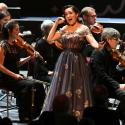
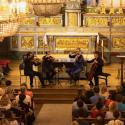
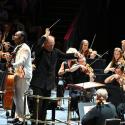
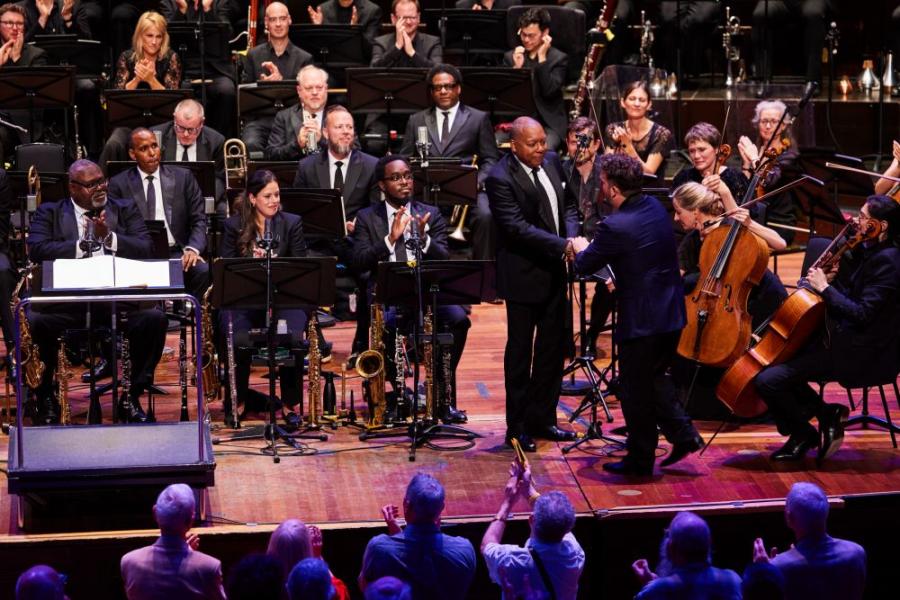
Marsalis’ work is in 12 movements to mirror the structure of 12-bar blues, and traces themes like the circle of life and the triumph of freedom. Squeezed onto the stage of Edinburgh’s Usher Hall for this opener was not only the Royal Scottish National Orchestra (RSNO) and the massed forces of the Edinburgh Festival Chorus, but the Jason Max Ferdinand Singers and the virtuosi of the Jazz at Lincoln Center Orchestra (JLCO), with Marsalis himself playing the trumpet in their midst.
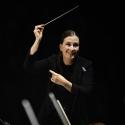
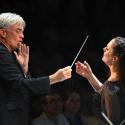
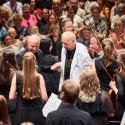
Corralling this crew together was conductor James Gaffigan (pictured below shaking Wynton Marsalis's hand), who veritably danced his way through the music’s kaleidoscope of textures and ever-shifting array of colours and forces. The Usher Hall audience lapped up every minute, in spite of two momentum-sapping intervals, and the standing ovation after the ebullient final chorus was immediate. The limelight was regularly stolen by the dazzling improvised solos from the JLCO, though the strings of the RSNO deserve just as much credit for inhabiting musical universes as diverse as symphonic sweep, an Appalachian dance band, or the sort of sugary swoop you’d more readily expect from a 1970s TV soundtrack.
I’m not 100% convinced that it was more than the sum of its parts. I was never sufficiently persuaded that these constituents belonged together, and often the lurch from one sort of music to another was so abrupt as to be jarring. However, those individual components were undeniably dazzling, and if the objective of the opening concert is to set a tone of expectation for the festival then this succeeded triumphantly.
The overall theme of this year’s festival is the USA, tying in with America’s 250th birthday, and the following evening saw the premiere of a new American opera by Missy Mazzoli, one that traces a painful American theme. The Galloping Cure is an exploration of the opioid crisis, and it’s a theme that is close to both Mazzoli and her librettist Royce Vavrek, both of whom have lost family members to the scourge.
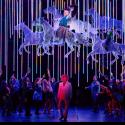
Wisely, they avoid literal representation and go for metaphor, thus tapping into the mythical and symbolic aspects that opera can do better than any other art form. The population of a run-down American town is crippled with chronic pain until a carousel – the Galloping Cure of the title – arrives in town. Run by Lucky Mack, it takes away the pain of anyone who rides on it, and the first ride is free. Only when the townspeople are dependent on it does the true, horrible price of the ride become apparent.
The beauty of the piece is the unity with which all of the components work together. For one thing, the central idea is both simple and clever, and the repetitious ride-to-nowhere of the carousel is an important overarching symbol. Vavrek’s text, with its mix of day-to-day speech and ritualistic repetition, creates a framework on which Mazzoli can hang her music with remarkable skill. Its rhythmic vitality and its ever-changing pulsations of colour make it as intoxicating to consume as the drugs it depicts, and Rebecca Ringst’s set designs, mostly minimalist scaffolding with coloured light-bars that set the scene, help tell the story with directness and speed.
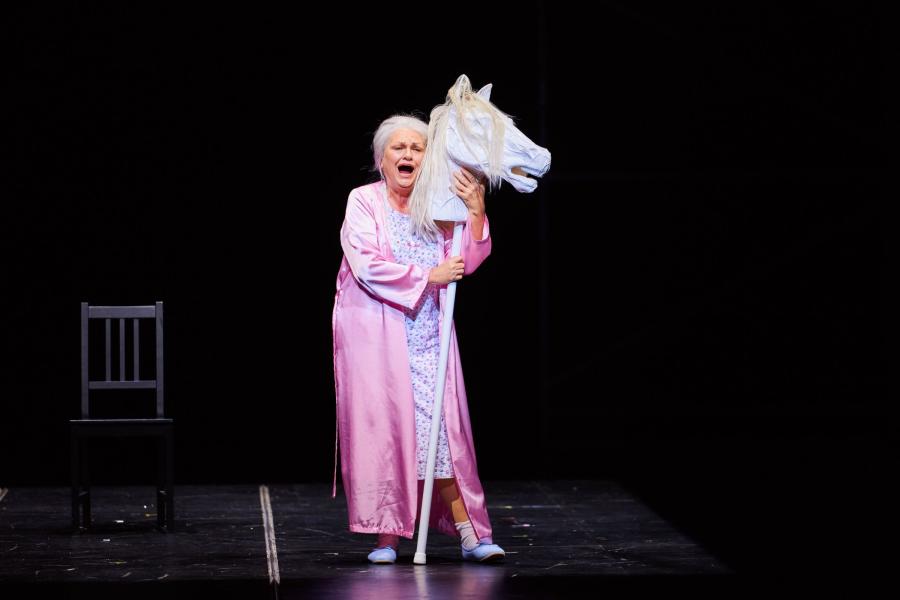
Scottish Opera’s orchestra excels in bringing the score to vibrant life and Stuart Straford, the company’s Music Director, shapes its dramatic span with surety and conviction. Daniela Mack sings the lead role, the town’s doctor, with soulful intensity, while Garbrielle Turgeon’s bright soprano provides brittle contrast as her daughter. Justin Austin sings Lucky Mack with just the right mix of threat and allure, while Susan Bullock hams it up delightfully as the frail old Ivona (pictured above) who is the first to pay Mack’s price in full.
Mazzoli eschews melody for overall colour, and the opera flags just a little in the second act, where the pacing slips in comparison to the engaging first act and the nightmarish third. Otherwise, however, this is a profound and incisive new work that deserves a long life; and any opera that contains singing sheep and comedy talking dogs has to be worthy of your attention!