

Noble intentions and two talented true individuals faced a few obstacles in this admirably-planned Prom. Gianandrea Noseda looked set to reduce the Behemoth aspect of Beethoven's Ninth, especially given a phenomenal, fleet approach to its offspring Mahler Two with a youth orchestra in Georgia back in 2019, but Royal Albert Hall acoustics sometimes got in the way (at least from where I was, towards the back of the hall). And while Jessie Montgomery in These Righteous Paths managed to pay homage to the writing of her late mother Robbie McCauley, pioneer of the Black theatre movement, as well as to cater for every aspect of Abel Selaocoe's vocalising and cello playing, the links to tradition proved too unmemorable.
Parts of the Beethoven struck with full, electric force, but perhaps the most successful overall performance - apart from Selaocoe's encore - was of Bach's G minor Fantasia and Fugue arranged by much-missed conductor (and organist) Andrew Davis in the last year of his life. Strings scythed unison-wise into the vasts of the hall, punctuated by hard-hitting chords; winds underpinned by bass clarinets took us into the valley of the shadow of death, Webern- or Schoenberg-wise. For all its orchestral wizardry, this never became a callow showpiece. It's Bach, after all.
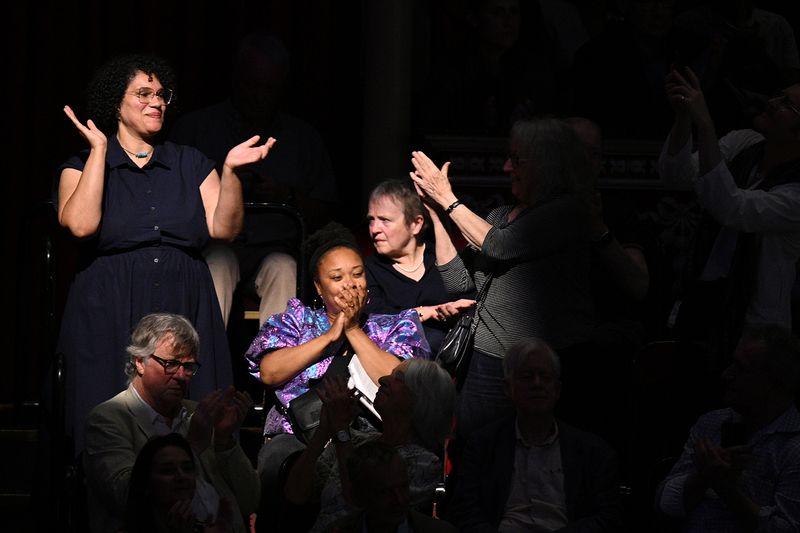
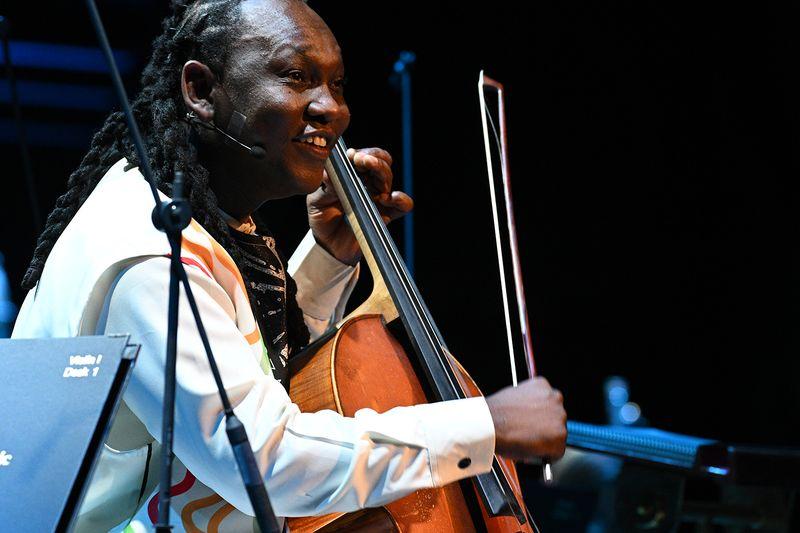
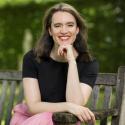
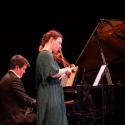
Montgomery (pictured above left in the audience) offered a clear trajectory following her mother's guidelines, from ancestors and memories of segregated trains to "a new new new song". Selaocoe played conventional material with passionate vibrato thrown into the mix of his cello playing, and there was some virtuosity in the central train music. But the "new song" simply hovered around a major tonality in a way that wasn't striking enough, despite the singer-cellist's cavernous low notes. The orchestra was a problem rather than a solution; I heard Selaocoe most recently achieve more with his Bantu Ensemble in Dublin.
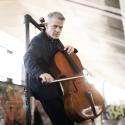
He also did so here in his improvised encore to celebrate a gathering of 5000 - "not a lot of other animals do it". Moya is the African spirit of creativity (here, wellness), and so after running the gamut, Selaocoe got us all to intone the syllables on four notes, eventually - willing harmonists included - with closed mouths against his vocalising, the last note perfectly controlled to fade to nothing. The Albert Hall as a sounding-bowl is quite something, and this was fresh infinity in a way that the main work couldn't quite muster.
Beethoven aimed for a "new song", with the full vocal works, at the end of his Ninth Symphony. It's anything but fresh now, but the ingenious variations on a theme can still impress even if, as Verdi, quoted in the programme, noted, Schiller's "To Joy" is "very badly set". Poor sopranos, screaming on high notes so often: the Philharmonia Chorus did a resonant job, though not many words could be made out (probably Beethoven's fault).
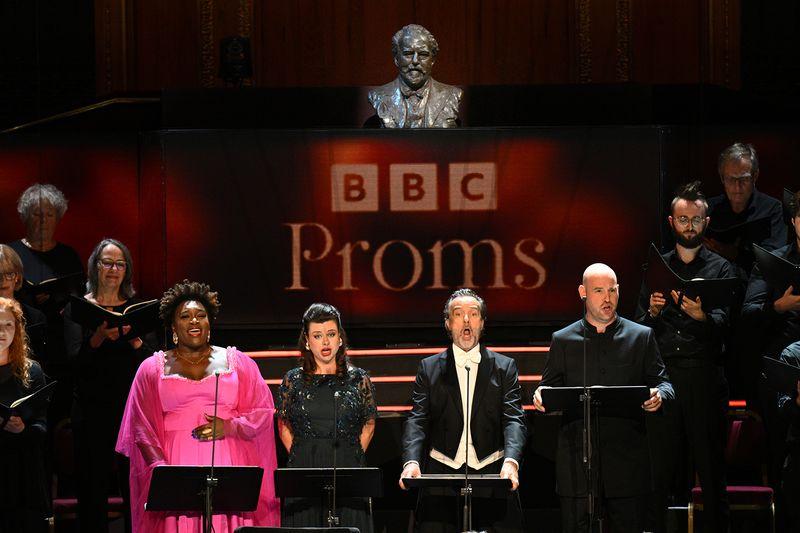
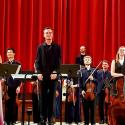
The solo quartet (pictured below) introduced us to a soprano of great presence, warmth and effortlessly projecting vocal radiance, American Leah Hawkins, and Derek Welton came across loud and clear in the summons to "other tones". The mezzo, Stephanie Wake-Edwards, is simply there for infill; unfortunately tenor Martin Muehle made a strenuous job of his solo.
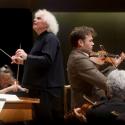
Noseda's vision for the first two movements was as expected: spring-heeled in the Allegro ma non troppo - though from my position, one got more horn lining than string definition - and incredibly fast in the fabulous Scherzo (reminding me of a classically speedy 78rpm recording by the great Albert Coates). The Adagio flowed with magically sensitive phrasing from the BBC Philharmonic strings, though I can't dispel my own problem with it that I feel it goes on too long. Ditto much of the rest of the symphony; but that's a personal blind spot, and others may have loved it rather than merely admired it, as I did.



Add comment