A right wing populist, a master manipulator of the media, he appears to be immune to the long accepted norms of professional behaviour. Foul-mouthed and a bully, but backed by an oligarch, he rides roughshod over those who play by the old rules, truth, like everything else, merely transactional. “What’s in it for me?” is the only question worth the breath.
Stop me if you’ve heard this before…
Not the Oval Office now, but The Sun’s editor’s office in Wapping nearly 40 years ago, where Kelvin McKenzie, high on his own supply of circulation figures and the reluctant professional admiration of even those who despised who he was and what he did, set his crosshairs on Elton John.
A perfect storm swirled through McKenzie’s fetid imagination. A tall celebrity poppy to scythe down, seedy rentboys telling all and drugs, drugs, drugs - the ideal vehicle to parade the Brits’ hypocritical, selective morality. That it hit his rival, the Daily Mirror, with a punch to the solar plexus, was just the £50 note that hoovered up the sweet, sweet stuff that delivered the rush.
But it wasn’t true.

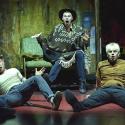
Henry Naylor (pictured above) brings his hit Edinburgh show to London at the right time. Remarkably, even as I write, Elton is on his feet giving evidence in the phone-tapping case led by Prince Harry against the publishers of the Daily Mail. In journalism ethics debates, what goes around, comes around.
The insistent thrill of pushing on the blurred lines between a free and a regulated press is as potent in 2026 as it was in 1987. That depressing observation gives the projections of grainy old facsimiles of front pages and inside scoops a relevance that will speak not just to those who saw the headlines on the stands, but those not even born at the time. McKenzie, like Trump, may be a comical exaggeration, a carnival barker to some, but history is full of such demagogues and the future will be too.
Naylor tells the tale from the perspective of “Lynx”, a cub reporter thrust into McKenzie’s den, an innocent abroad learning quickly. It’s a useful device, as we sympathise with the kid, and it only grates a little when he suddenly, implausibly, gets an education in the stock-in-trade of his newspaper and has second thoughts. It also allows Naylor to go full caricature villain on those with whom Lynx (named for the aftershave not the wildcat) must deal without our recoiling from the actor - always important in a one-man show.
Expanded a little from its festival roots, the show still bowls along, with lots of laughs to be found swimming in this sewer of amoralty. The narrative becomes more and more grim, the comedy darker and darker, as the cost to Elton is hinted at without being made too explicit. It helps that we know that the old rocker is probably behind only David Attenborough in the list of national treasures, an outcome McKenzie should have seen coming even in the 80s.
Comeuppance arrives after 75 minutes or so with a happy ending. The lawyers get £1m for Elton and a front page apology. McKenzie retreats to lick his wounds.
Hillsborough was still two years in the future…