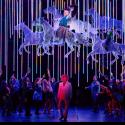
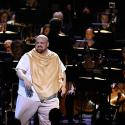
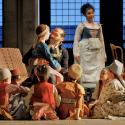
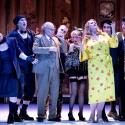
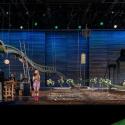
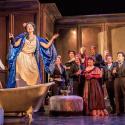
Bellini's most consistently inspired opera, director Orpha Phelan tells us, has been set on a pedestal. Well, a pedestal would have been good for the titular Druid high priestess to deliver her celebrated invocation, a moon, perhaps some trees for the sacred wood, a chorus standing still in a semicircle. Traditional? Yes, but so is the shallow window-dressing for a rather interesting love-triangle. Though there's a splendid bellicose chorus, taken at a terrific lick here, Phelan goes in hard on the war aspect by setting the whole thing in a ruined church, post-apocalypse (she writes), with furniture piled high and folk in combat fatigue waggling machine guns, later gruesome instruments of torture. Madeline Boyd's sets and costumes are perhaps pointedly ugly and clutter up the small stage of Dublin's sweet Gaiety Theatre.
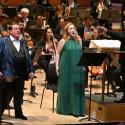
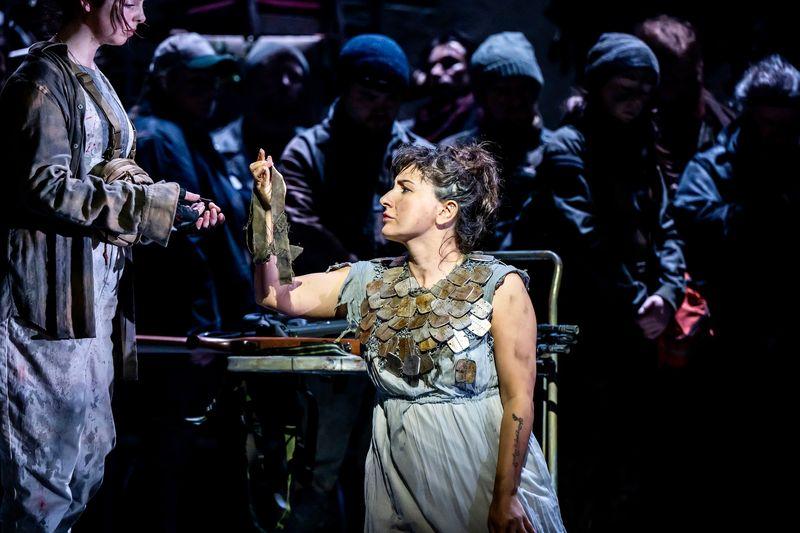
At least the casting on the female side is canny. You don't stage Norma without a soprano capable of carrying the relentless challenges without tiring, and Georgian Salome Jicia (pictured below) absolutely does. It was cruel of Bellini to place the hit number, "Casta diva", so near the beginning. Jicia hadn't got the breath under control on the first night, so phrases were chopped up or abruptly terminated: a serviceable but not inspiring hymn to the moon goddess. But this role is about so much more, not least sustaining the character's florid ire and sadness. Had "Casta diva" been placed where "Dormani entrambi" is at the beginning of the second act, Norma contemplating the murder of her beloved children by love rat Roman Pollione, it would have made an impression of great vocal beauty, as this did.
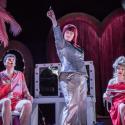
Pollione has no good qualities, and Guatemalan tenor Mario Chang just more or less belts it, looking daft with a dyed-red Mohican. Acting interest really looked up with the appearance of a second soprano, Siobhan Stagg, as innocent love-object Adalgisa, Norma's younger colleague in supposedly chaste ritual. It shouldn't be cast with a mezzo in the role; Adalgisa is sweet, innocent but eventually capable of a strength which the plot doesn't ultimately honour. Stagg's lyric has strength, too, but also superb style. The two duets for the women are the dramatic highpoints of the score; whether blending in thirds or echoing each other, Jicia's thrusting dramatic coloratura set against Stagg's more beautiful line, the two sopranos excel.
But there's more. If the faulty libretto makes the mistake of having Adalgisa disappear after the oath of eternal sisterhood - why couldn't she, rather than the barely-present Clotilde, look after Norma's children after the priestess and the soldier go to their deaths? - the first soprano has to go on to even tougher things. And here Jicia carried the ultimate self-sacrifice with focused intensity.
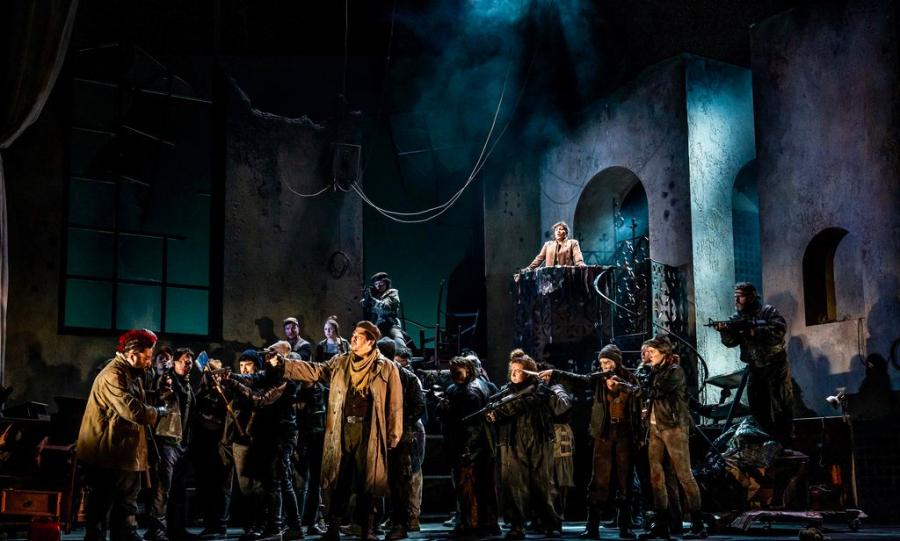
Alas, there's no flaming pyre for immolation, just more silly business with guns (the chorus sings well, but should be told that mimed stuff between each other while the leads are singing doesn't look good). It's a disappointment from Phelan, who gave us perhaps the funniest stagings of any Italian opera I've ever seen, a very special version of Donizetti's Le convenienze ed Inconvenienze teatrali at the Wexford Festival.
Jicia holds the flame, though, with superb support from experienced bel canto interpreter Maurizio Benini, who has his vivid finger on the varying pulses of Bellini's fluctuating score. He comes close to my experience of the perfect interpreter, Riccardo Muti, whom I was lucky to see with a superb young Norma, Monica Conesa, in Ravenna. Next time in Ireland, though, let the best here reassemble in concert performance only.