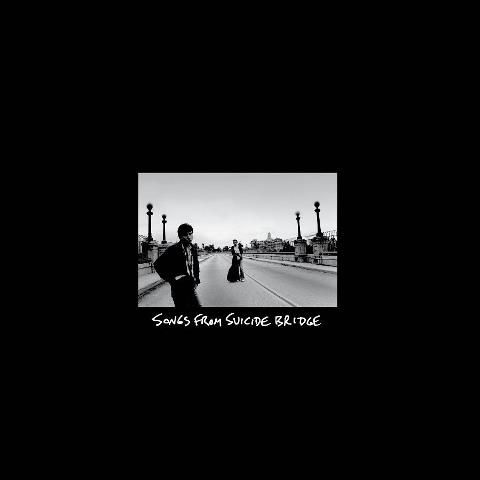
 David Kauffman and Eric Caboor: Songs From Suicide Bridge


David Kauffman and Eric Caboor: Songs From Suicide Bridge

Drenge made themselves known to the world some 18 months ago, surfing on the back of their abrasive self-titled debut album and some unexpected PR assistance from West Midlands MP Tom Watson. Back then, the Loveless brothers were a loud and lairy duo that took rock music by the scruff of the neck and knocked seven bells out of it with their stripped-down sound. With the recent release of their second album, Undertow, however, there have been some changes. Most noticeably, their sound has got richer and considerably grungier, while a bass player has been added to the line-up.

Dry ice began billowing from the stage of the Rainbow even before the house lights had dimmed and the between-band PA had faded out, allowing New York noiseniks A Place To Bury Strangers to slip behind their instruments unnoticed and burst into set-opener “Straight”, emerging from the fog like mighty sea creatures breaking the waves. The distorted guitar, laced with feedback, pounding drums and half-heard vocals, buried deep in the mix proved to be a statement of intent and set the tone for an evening which was somewhat lacking in gentle melodies.

Record Store Day – 18 April – has been whipping up discord among independent labels. Notably, Sonic Cathedral are boycotting it, instead releasing 365 copies of an EP by Spectres and Lorelle Meets The Obsolete, one a day, over the next year. The problem, these voices of protest say, is that that while Record Store Day used to be a fun-fuelled opportunity to focus on especially curated releases by smaller operations, ones who cared about music, now it’s simply a chance for the majors to rake in bucks off the back of “a Mumford & Sons 7” or an overpriced Noel Gallagher 12”.

They’ve yet to release an album, but the London-based, alt-rock four-piece Wolf Alice have already been called everything from shoegrunge to Brit-country, via indie-dance and riot-grrrl. Last night they gave another compelling display of musical shape-shifting, which demonstrated why they’re known for seeming not to know what they are.

There are certain things that you approach a Brian Wilson album expecting. Melody and harmony of course, but also a certain kind of approach: a fearlessness to experiment. When he finally completed the famously unfinished Smile in 2004, it was a landmark moment (though not, if we’re honest, as satisfying as the old demo versions). Then, while 2008’s That Lucky Old Sun was never going to be Pet Sounds, there was, at least, enough that was engaging about a man revisiting the sounds of his youth to be glad that he’d made it.

Very often, the greatest impact comes without shouting. Subtlety can have a power lingering longer than the two-minute thrill of a yell. So it is with Bridges, the eighth album by Eivør. In the past, the Faroese singer-songwriter has collaborated with Canada’s Bill Bourne, the Danish Radio Big Band and Ireland’s Donal Lunny, and taken turns into country and jazz. Bridges builds on her last album though, 2012’s Room, as further evidence that she is now more focused than ever.

It’s been just over a year since Future Islands’ Samuel T Herring famously gyrated, and chest-thumped his way through the band's latest single on American TV. The show was Letterman and the singer looked like a stevedore undergoing primal scream therapy. Within days the footage had gone viral. People have been talking about it ever since. Not least in the bar before last night’s show – how could he, they asked, possibly keep that up for an hour and a half?

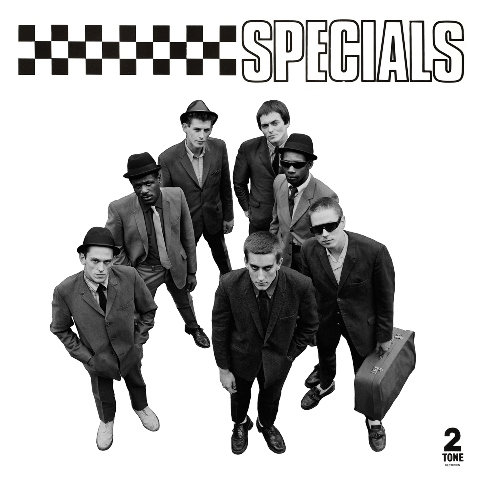 The Specials: Specials, More Specials; The Special AKA: In the Studio

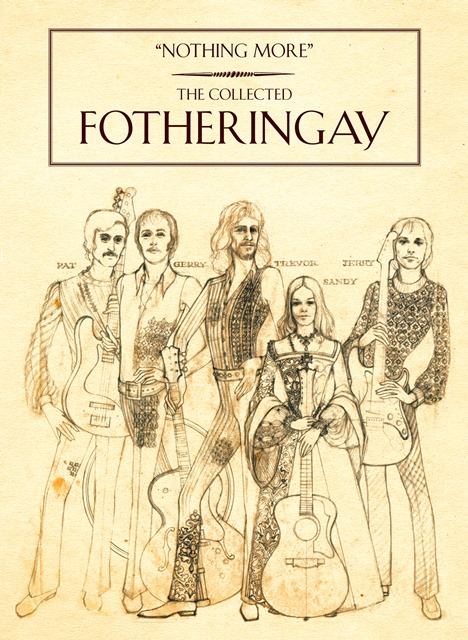 Fotheringay: Nothing More – The Collected Fotheringay