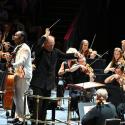
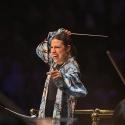
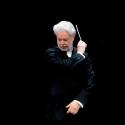
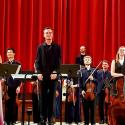
The megastars are here at the Barbican, for an intensive three days in the case of the LA Phil and Gustavo Dudamel, throughout the season as the hall shines an "Artist Spotlight" on pianist Yuja Wang. Despite a shallow opener showcasing the individual talents of the Los Angeles principals and daft, rollicking Sousa at the end, there was a seriousness of intent and depth of focus that belied the touring glitz. The biggest miracle, perhaps, came in a three-minute encore from Wang - her third - but you couldn't fail to be deeply impressed by the execution of the rest.
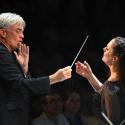
Just when you think you're not ready to hear another Stravinsky Rite of Spring in concert, along comes a razor-sharp performance like this to remind you why there's nothing else like it in the concert repertoire. Dudamel used to be a bludgeoner at times with the Simón Bolívar Symphony Orchestra of Venezuela, but this was more often than not fast and, if not exactly light, then surprisingly resistant to the magnifying propensity of Barbican acoustics. It helped to have the most intense of silences for the bassoonist to launch his artistic song, and lyricism was a hallmark throughout, especially from the exquisite and personable group of violas: the Rite is as much about melody as it is about the more revolutionary aspects of its rhythmic disruptions. 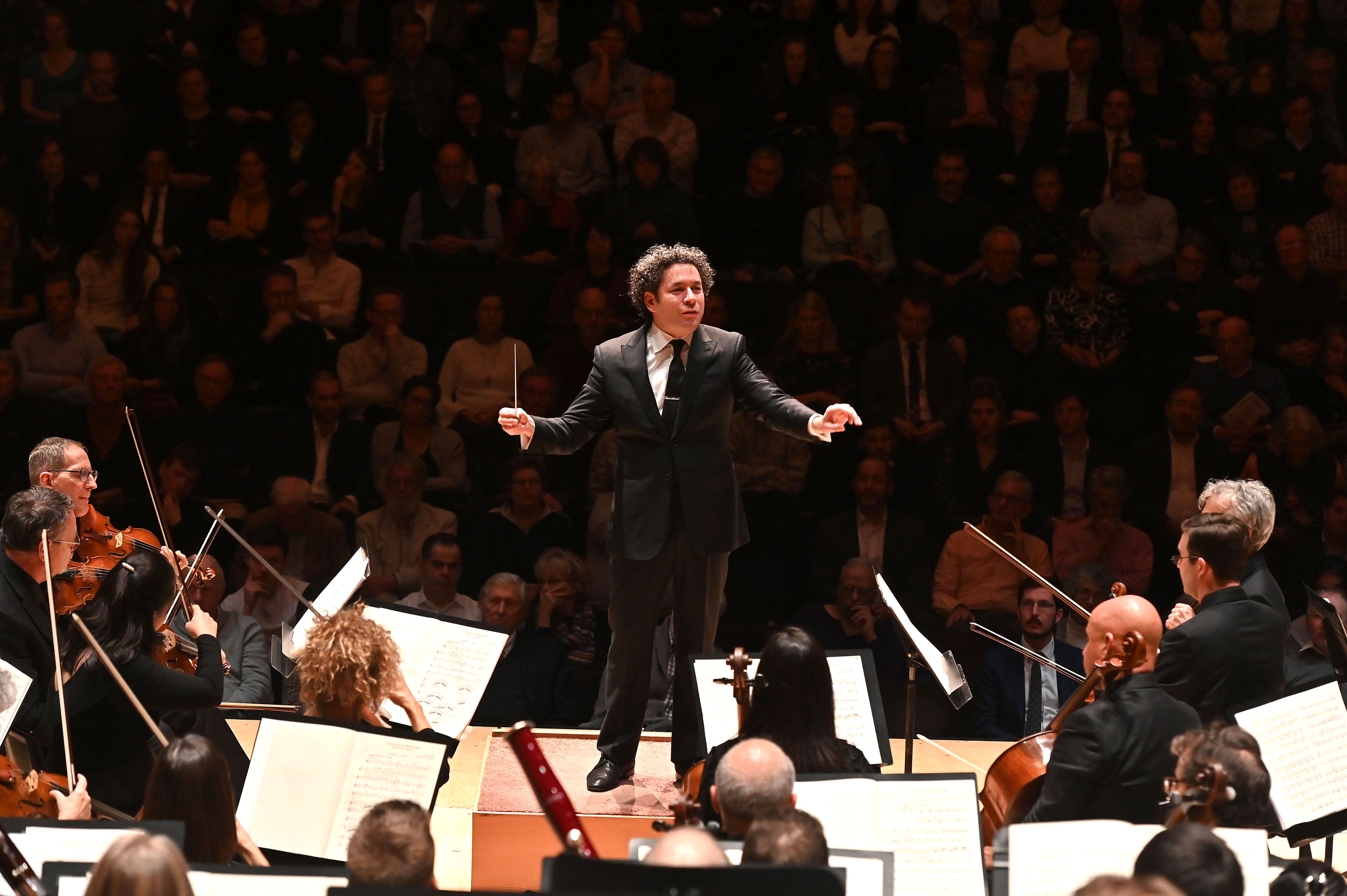 Woodwind could be heard through even the fullest textures, uptake on a change of action electfrifyingly precise throughout, reaching its zenith in a rightly relentless, almost breathless Sacrificial Dance, and Dudamel could indulge the odd eccentricity - a sudden change of tempo to the "Games of the Rival Tribes" that allowed an impressively executed quick accelerando - without seeming show-offy about it. His conducting is now definite and non-splashy; his full maturity and command are here at last.
No complaints, either, about the delivery of Ginastera's Variaciones concertantes, with special kudos for harpist Emmanuel Ceysson and familiar principal cellist Robert deMaine at the start as well as the later double-bass echo from Christopher Hanulik. But is this especially interesting material for variation treatment? We heard only a stop-start alternation of slow and fast, with a token liveliness to conclude. The real arresting opener came at the start of John Adams's new piano concerto, Must the Devil Have All the Good Tunes?, as Yuja Wang launched into rich, focused bass sonorities for a "gritty, funky" (Adams) statement of intent (tunes as such, curiously, there are not, though plenty of interesting figurations). This is pretty much a moto perpetuo for the soloist, integrated with racy orchestra, throughout the opening "movement", which melds into a central nocturne full of poetic doodlings, and comes just as imperceptibly out of it into a finale on a hiding to nowhere. It isn't one of Adams' more kaleidoscopic scores, and the expressive point of it was mostly lost on me, but it holds the attention.
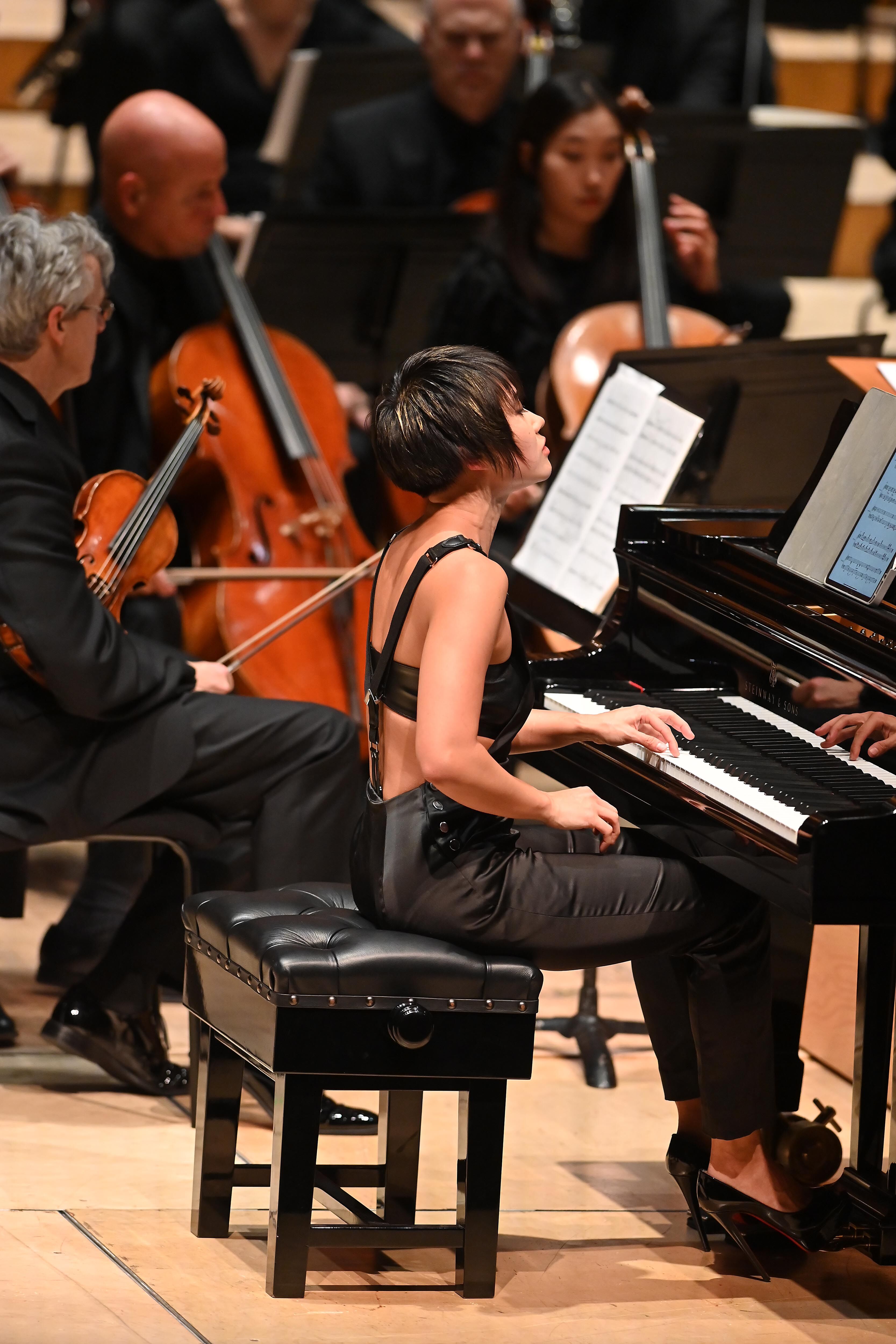 There's never any doubt, though, that Wang (pictured left) is the real, mercurial deal as top pianist, a worthy successor to Martha Argerich. She wears what she wants, not as any sales gimmick, and the musicality is astounding and unpredictable. It served her well for three coruscating encores. The deftest of touches and total clarity made Michael Tilson Thomas's You Come Here Often? and Kapustin's Toccatina sweet footnotes to the Adams, but there was seriousness at last in Liszt's transcription of Schubert's "Gretchen at the Spinning Wheel": an interior monologue for the most part, the melodic line like a voice from another world against the eerie spinning textures until a sudden ferocity, and then crossing back to the other side. Prime candidate for encore of the year; I can't wait for Wang's full Barbican recital next March.