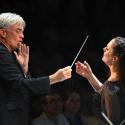
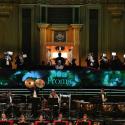
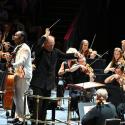
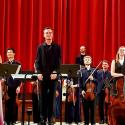
Simon Rattle and the LSO marked the 50th anniversary of Stravinsky’s death with a concert of three “symphonies”. In fact, the programme had little to say about Stravinsky’s relationship with symphonic form: his early E flat Symphony was omitted, and the Symphonies of Wind Instruments, the opening work, is not a symphony in any accepted sense. The programme was rather an opportunity to hear some of Stravinsky’s more obscure orchestral works. Given that obscurity, it was good to see a full house at the Albert Hall. What was the draw – Rattle? If so, his premature departure in 2023 is going to be a great loss to the LSO.
Rattle was on great form here. The Symphonies of Wind Instruments always sounds austere, but Rattle was able to bring out its lyrical side too. To that end, he chose the original version of the score (1920) over the more angular 1947 reworking. The ensemble textures were warm and the woodwind solos were generously shaped. But there was plenty of modernity too, announced by the aspirated trumpet strains of the opening – eery sounds from another planet. Rattle acknowledged the score’s angular structure in the emphatic chords that open each section, but he also brought a valuable sense of flow, seamlessly linking each utterance. 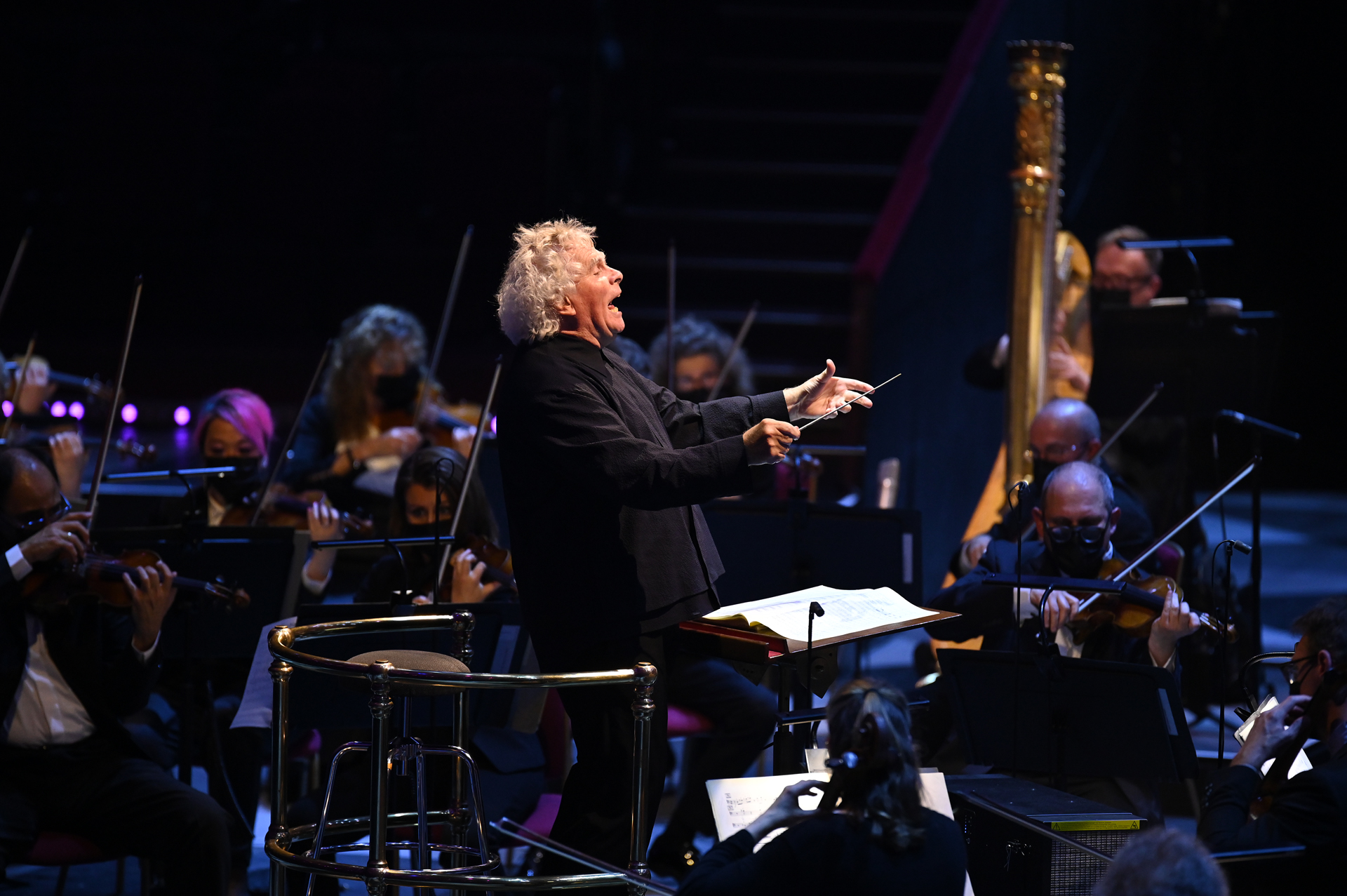 The Symphony in C is an explicitly Neoclassical score, and Rattle was keen to highlight the music’s debts to Mozart and Beethoven. The opening, usually a grand, symphonic gesture, was presented here with lightness and grace. Again, the woodwind soloists shone, and Rattle’s longstanding relationship with the ensemble was clear from the freedom he was able to give each of them while still controlling the balance and pace. The development of the first movement hinted at the drama of a Beethoven symphony, but Rattle always held back the climaxes, preserving Stravinsky’s Neoclassical reserve. And the ending was presented as a perfect piece of musical theatre. The drama grows though the finale, but then, in a carefully choreographed transition, winds down to an unexpectedly quiet and dismissive coda. Rattle’s handling of these last pages was perfect, maintaining the sense of surprise until the final chord.
No such conflicts of interest in the Symphony in Three Movements that closed the programme. This was a tour de force for Rattle and for the orchestra, and, no doubt, the motivation behind the “symphonies” programme. The work is still broadly Neoclassical, but Stravinsky this time is more free and expressive with his large orchestra, often looking back to The Rite of Spring for dramatic devices, like repeated chugging woodwind chords and intricate string ostinatos. It also recalls the rhythmic complexity of the earlier score, and Rattle projected the cross-rhythms and syncopations of the first movement to thrilling effect.  In the second movement, the clarity of the orchestral playing emphasised the sheer oddness of the orchestration, the duet for trombone and piano, for example, and the harp playing off the flute. That oddness continues into the finale, but now Stravinsky’s focus moves back to dynamic drive and rhythmic invention. The brass, the busiest section of the orchestra throughout this programme, were on fine form for the dynamic closing pages. And Rattle was again in his element, drawing huge energy from the ensemble, while always maintaining ideal balance and focus. This is a symphony that requires nothing less than a virtuoso conductor, and Rattle delivered on all fronts.
- Watch this Prom on the BBC Four iPlayer or listen on BBC Radio 3
- More classical reviews on theartsdesk