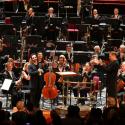
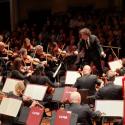
Would it be possible to get to the end of the year without hearing a single Bruckner symphony live? I’d reckoned without the presence in Dublin of fabulous conductor Anja Bihlmaier, whose 2022 concert with the National Symphony of Ireland was a fine introduction to the thriving concert scene here, and of Boris Giltburg, one of the most engaging living pianists, in Mozart (and a far from insubstantial Schumann encore). Besides, Bruckner’s Ninth gives the lie more than any of the others to any settled spirituality or faith.
Here the smoke-into-fire coda of the first movement and the pounding horrors of the Scherzo were reinforced with firm-of-purpose conducting and playing to show us how much Satan gets the upper hand in this weird and at times wonderful unfinished symphony. The sound wasn’t always the most sophisticated: a reminder that Berlin, Vienna or Amsterdam string sheen will always serve the bigger Bruckner well, plus an acoustic that’s somewhat airier than the generally admirable National Concert Hall (closure for renovation postponed, mercifully, until at least the end of 2026). Trumpets didn’t quite ring out their fanfares at heaven’s gate as clearly as they might, but the rest of the brass ensemble had all the impact necessary.
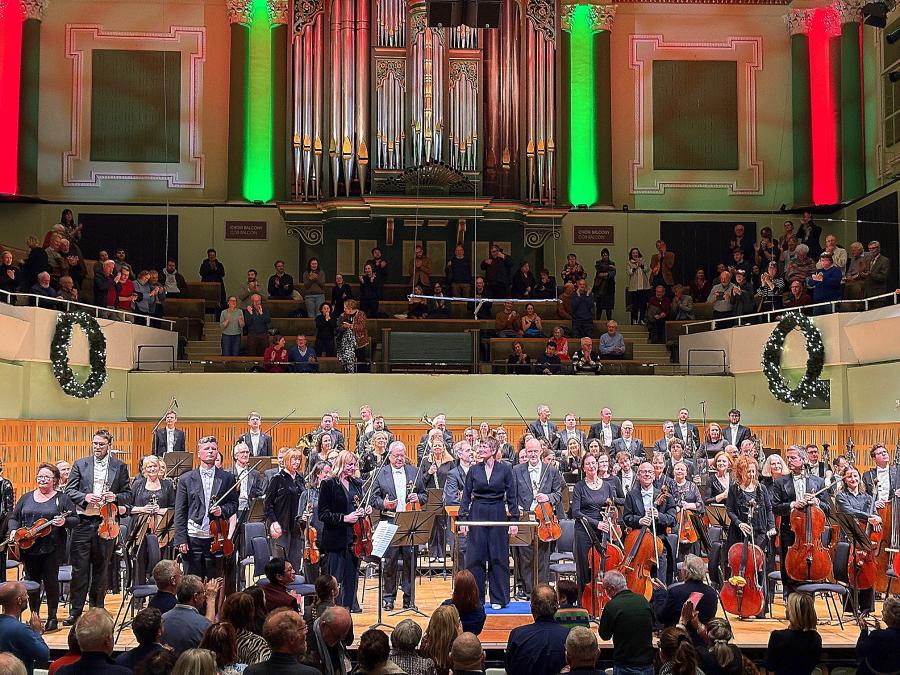
The opening trajectory, at least until the coda, reminded me what I resist in Bruckner: the pile-ups to nowhere, the treading-water sequences, and here the dissonances which just feel wrong. Not so in the Adagio, certainly the composer’s most consistently inspired, and his most tortured. In a reading as straightforward as this, with no special pleading, the calm ending felt provisional. And it’s hard to imagine how Bruckner would have completed a finale with another of his forced triumphs (for me, the one in the Fifth stands alone in clinching the affirmation). A fascinating revisit of territory I love increasingly less with the passing years, a reminder at least of the utter originality and futuristic elements in this crazy composer’s makeup.
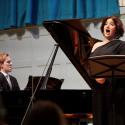
Oddly Mozart’s B flat major Piano Concerto, K. 450, is one I haven’t heard in the concert hall before, though the finale used to feature in some EMI compilation or other in Barenboim’s performance. This masterpiece, too, is shot through with originality: the Andante has progressions that Berlioz would have been proud of, and the individual comic touches in the finale are pure mature Mozart. Boris Giltburg’s delightful personality seemed to chime happily with the composer’s: he would give an extra impetus to some of the faster passages, but space for articulation when especially necessary, as in the opening Allegro’s second theme on piano. Bihlmaier helped the orchestra to match Giltburg’s dynamic range and sheer charm; the central variations marked the perfect fusion.
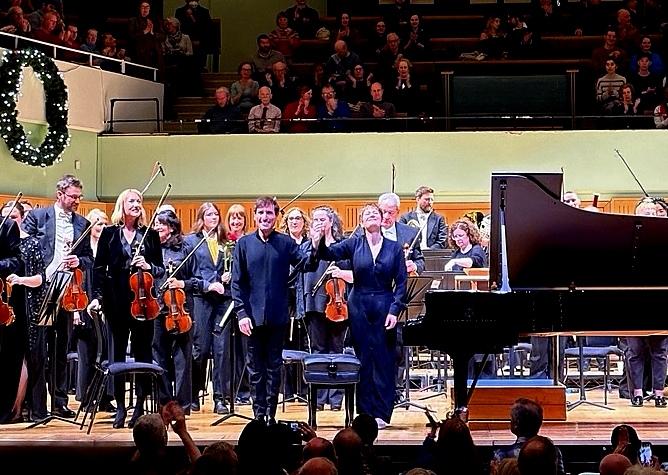
Then tears welled up as Giltburg caressed us with his encore, Schumann’s Arabeske. Each return of the main melody, ever more intimate, took us deeper. This was the rainbow bridge from Mozart’s sunlit uplands to Bruckner’s very severe Valhalla, and as unforgettable as anything I've heard this year.