

Forget Tchaikovsky's 1812 Overture with bells, cannons and military bands (most people have, but it was my introduction to the Albert Hall as a child). Respighi's raucous festivals, sparkling fountains and various pines of Rome are where the real spectacular action is, with more music and poetry than Tchaikovsky found in that occasional piece. Who better than John Wilson and his superorchestra Sinfonia of London to urge the cavalcades and weave the magic in the ultimate Proms blockbuster?
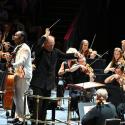
Surprisingly, it's not the first time the tall and massive order of all three sets of symphonic poems have been heard in the hall: Charles Dutoit gave us the trilogy in 2014, but that hasn't stuck in the memory the same way this one undoubtedly will. Wilson chose the rest of his programme carefully, stern brass unisons ricocheting around Albert's colosseum, then strings clear and agile in Verdi's Overture to La forza del Destino - the programme list neglected to tell us that we were getting the visually spectacular cimbasso instead of the now more customary tuba - before introspection struck in Walton's enigmatic Cello Concerto.
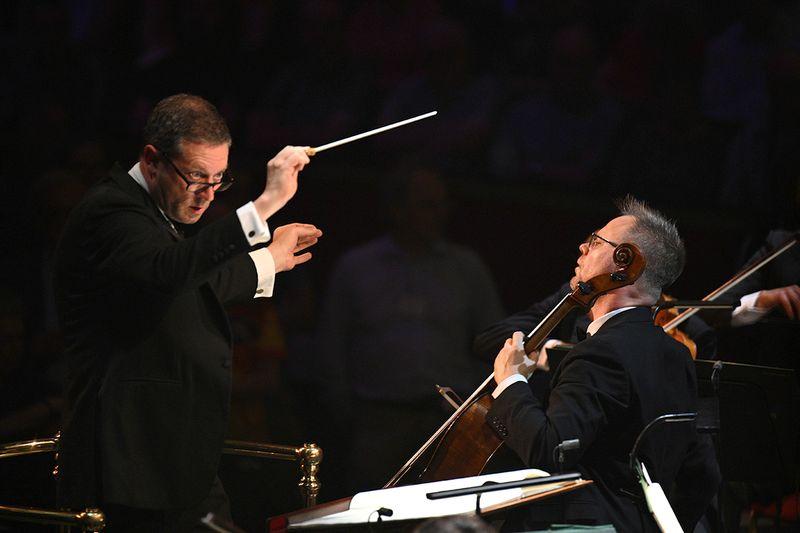
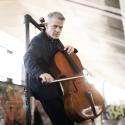
Wilson told us in a programme comment that "for a while the Cello Concerto was the one [of the three concertos] I didn't understand. I now realise that it could be his masterpiece in any genre". I'd like him to take us through it verbally, because the finale's "Theme and Improvisations" is the movement I still don't get. SoL principal Jonathan Aasgaard was the perfect choice for the soliloquies punctuated by orchestral outbursts, even if this venue doesn't amplify the cello ideally, at least from the sides. But is it profound, or merely notespinning?
The first four notes of the opening melody are uniquely haunting, and bewitchingly scored with tick-tocking accompaniment that returns in altered form at the end (the full circle of a melancholy life?). The scherzo is certainly Walton at his most deft, and Wilson highlighted every colour. But for me, the Violin Concerto might have worked better in context, its tarantella only one of several more overtly Italian elements.
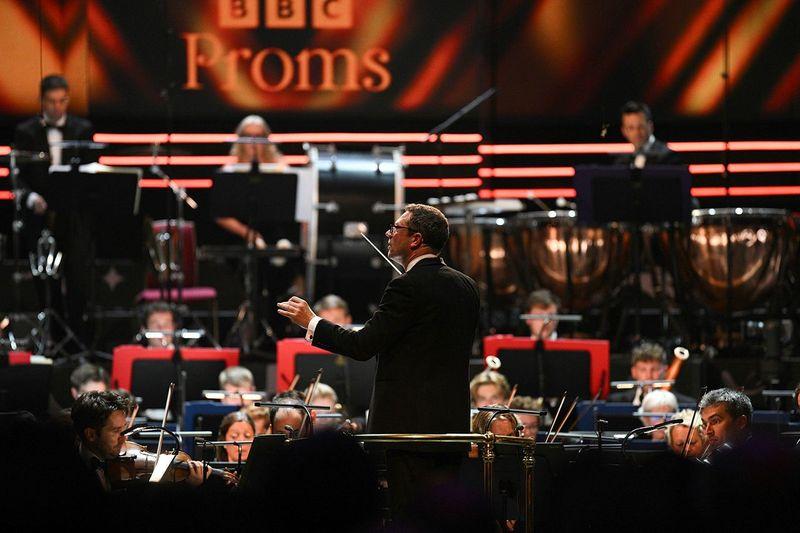
Wilson, the players and the audience all needed reserves of energy for the alternation of savagery and tenderness in the parade that followed. I used to think that Roman Festivals, the latest (1928, ominously the year in which Mussolini came to full power) and longest of the three works, should come last in proper chronological sequence. But the case was perfectly made here for offstage brass at beginning and end of the second half: three trumpets announcing a dangerous people's holiday in ancient Rome before the Christians are thrown to the growling lions, a much bigger panoply for the Pines' procession down the Appian Way at the end, truly roof-raising.
This way, too, the exquisitely nuanced dawn and sunset sequences which frame Fountains of Rome sit best between two lurid movements. Wilson went wild and fast in the dances around Triton's horn-blasts and Neptune's processional, breaking loose from Bernini's Trevi Fountain, supreme feats of imagination rather than the often-touted "picture postcards"; only here did some of the detail get lost.
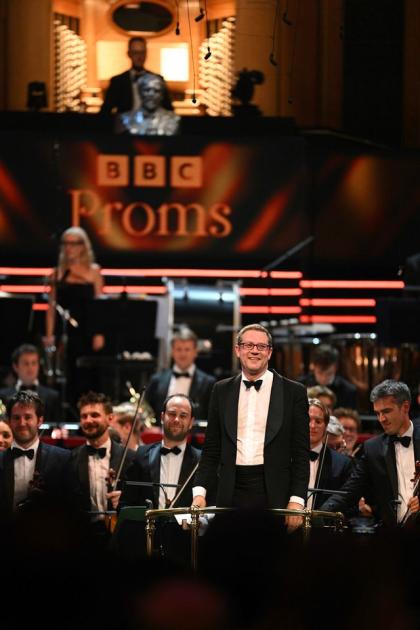
For me, the most original and progressive sequence of the 12 is what happens after the gaudy introduction of the October Festival. It's not just a mandolin which connects this with Mahler's Seventh Symphony; this, too, is "Night music" in a curious and ghostly display of different themes, blending and separating. But the more predictable route of "Pines near a catacomb" includes a trumpet from a nearby barracks - another nod to Mahler, this time the Third Symphony, and just as enchanting here in superb playing, from where in the hall it was hard to say (and by whom, also difficult, given the huge roster of brass players in the programme). Chris Richards, LSO star, gave us the most luminous clarinet solo in "The Pines of the Janiculum": not even the very audible recorded nightingale could outdo him
It seemed impossible for Wilson and company, including nine percussionists as well as timpani, to go further than the brilliant riot of Roman Festivals' "Epiphany", punctuated by more great popular tunes. But what Wilson calls his "ring-master" marshalling of the troops - 29 brass and eventually all-stops-out organ - managed to cap it along the Via Appia. The galop from Rossini's William Tell Overture took us back to Italian opera. By now the brass was a bit tired, and a termperature-lowerer might have been preferable, but nonetheless this was a vintage Prom.
- Listen to this Prom on BBC Sounds and watch on BBC Four on Sunday 26 July
- More classical reviews on theartsdesk



Add comment