Pete Doherty’s notorious tabloid image as Kate Moss’s junkie rock star boyfriend blessedly faded following that relationship’s end, stopping short of Amy Winehouse territory. Katia deVidas’s documentary focuses on that addiction through his preferred self-image as a latter-day Rimbaud, a punk poet more suited to his current French home. The result is remarkably unvarnished, but narrowly framed.
Devidas began by filming a Babyshambles gig in Paris, then became periodically embedded in Doherty’s life over 10 years, convinced he was a true artist, even as smack and crack defined his life. The film’s perspective is usefully French, sympathetic to destructive lives producing fevered art, where the Anglophone fashion is censorious. The Libertines, who Doherty co-led with Carl Barât, were the last gasp of old-fashioned rock stardom, and for deVidas he embodies the living “spirit of 19th century Romanticism”. She had bought into her subject’s myth, even before she became his wife in 2021.
 The Libertines phenomenon, 20 years gone now, is mostly outside deVidas’s remit and experience. It was built on total intimacy with fans and the wistful, rackety beauty of Doherty and Barât’s Albion, an England both higher and lower than the real thing, peopled by the pungent ghosts of Tony Hancock and Joe Strummer and splicing punk rock with Brighton Rock. Doherty explains it here with undimmed passion. “Complete faith is what we lived inside,” he says, talking of songs such as “Boys in the Band”. “It can still happen, people do still believe. So we put extra hours into building the church.” This resulted, he argues, in “a need for chaos and frenzy so you can be fully part of everything,” illustrated here by his heedless dive into a roiling crowd. His downfall partook of more suspect romance. “'Kubla Khan'…Hunter Thompson…wrap of heroin…” Doherty burgling Barat’s flat symbolised their dream’s quick corruption. His subsequent band Babyshambles, defined solely by his wispy voice, trace-poetry and drug damage, embodied the comedown.
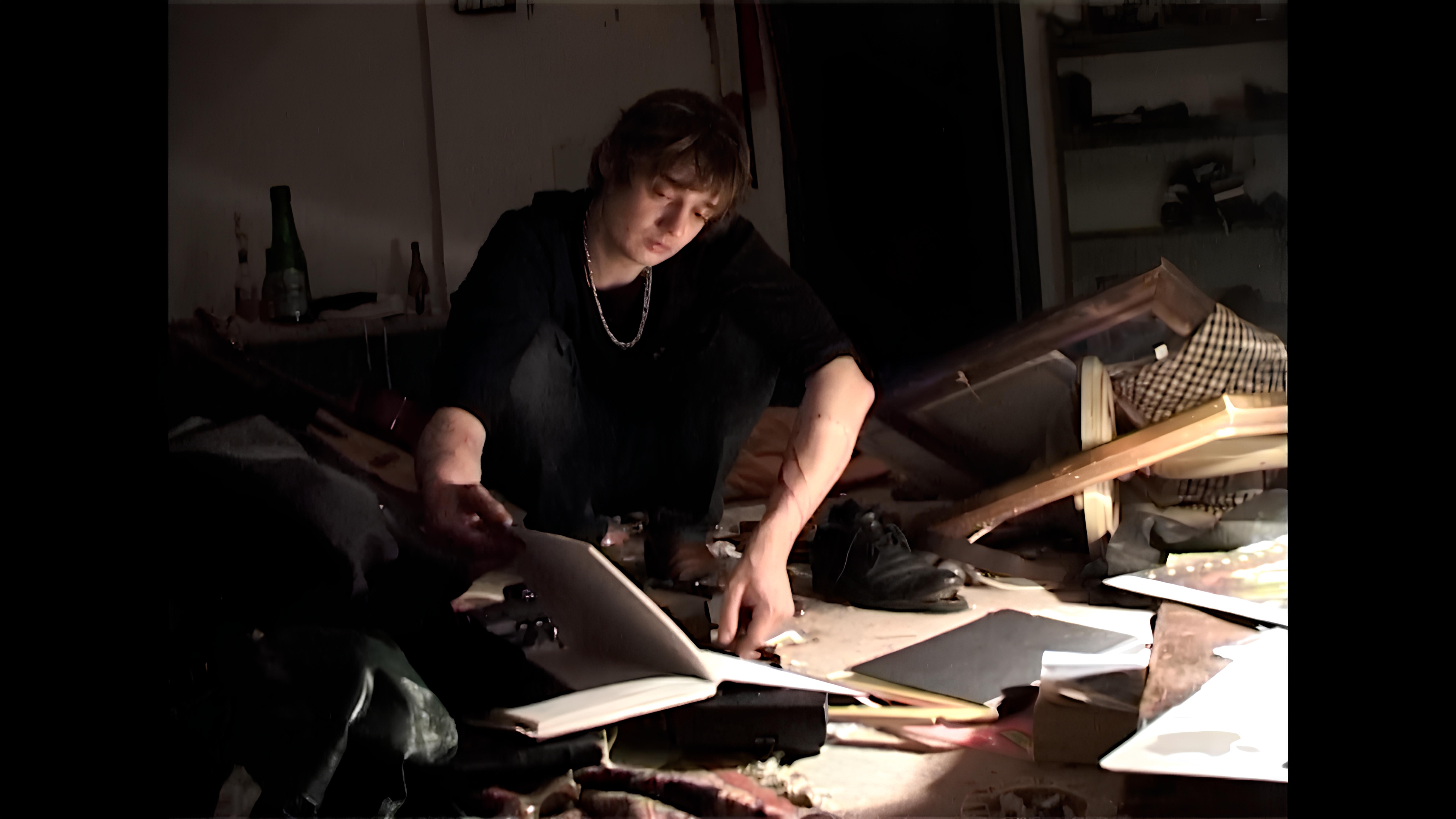
Doherty is shown shooting up, not so much the film’s money shot as a sign of squalid verisimilitude. His ramshackle digs, smeared by blood and paint as he shoots up or paints, are unenviable, if quite neat compared to the boho bombsites Patti Smith and Robert Mapplethorpe or Debbie Harry and Chris Stein once lived in, bourgeois domesticity hardly the point.
Another current doc, Catching Fire: The Story of Anita Pallenberg, gave more artful sympathy to a famous rock junkie, balancing its subject’s beauty and brave hunger for life with the deaths and damaged children which piled up as heroin chic faded to black. Mark Blanco’s murky 2006 death at a crack den attended by Doherty suggests collateral damage to his lifestyle and associates which deVidas stays incurious about.
 She wanted instead to ask why her now husband got this way, and extracts his own answer, rooted in a regimented upbringing defined by Army base barbed wire and his soldier dad, a disciplinarian limit on his desires, and maybe their spur. “I’ve devised my own reality,” Doherty says of his response, “and I’ve spent a long time in this fantasy world.” DeVidas’s camera touchingly catches his parents’ surprise, mid-gig birthday rapprochement, Dad singing his lyrics with bullish gusto, Mum carrying the cake.
I once spent a dismal day trying to interview Doherty, averting my eyes from the crackpipe. A later Babyshambles gig at London’s Forum was at the thrilling edge of chaos as fans clambered onstage, neither sanitised nor safe, Doherty embracing the excitement and indifferent to disaster. To his credit, he also gripped a Hackney Empire audience with just acoustic guitar and spindly voice, his charisma and inchoate lyricism enough. DeVidas offers a Eurostar-thwarted Paris gig and its filthy-tempered pub aftermath.
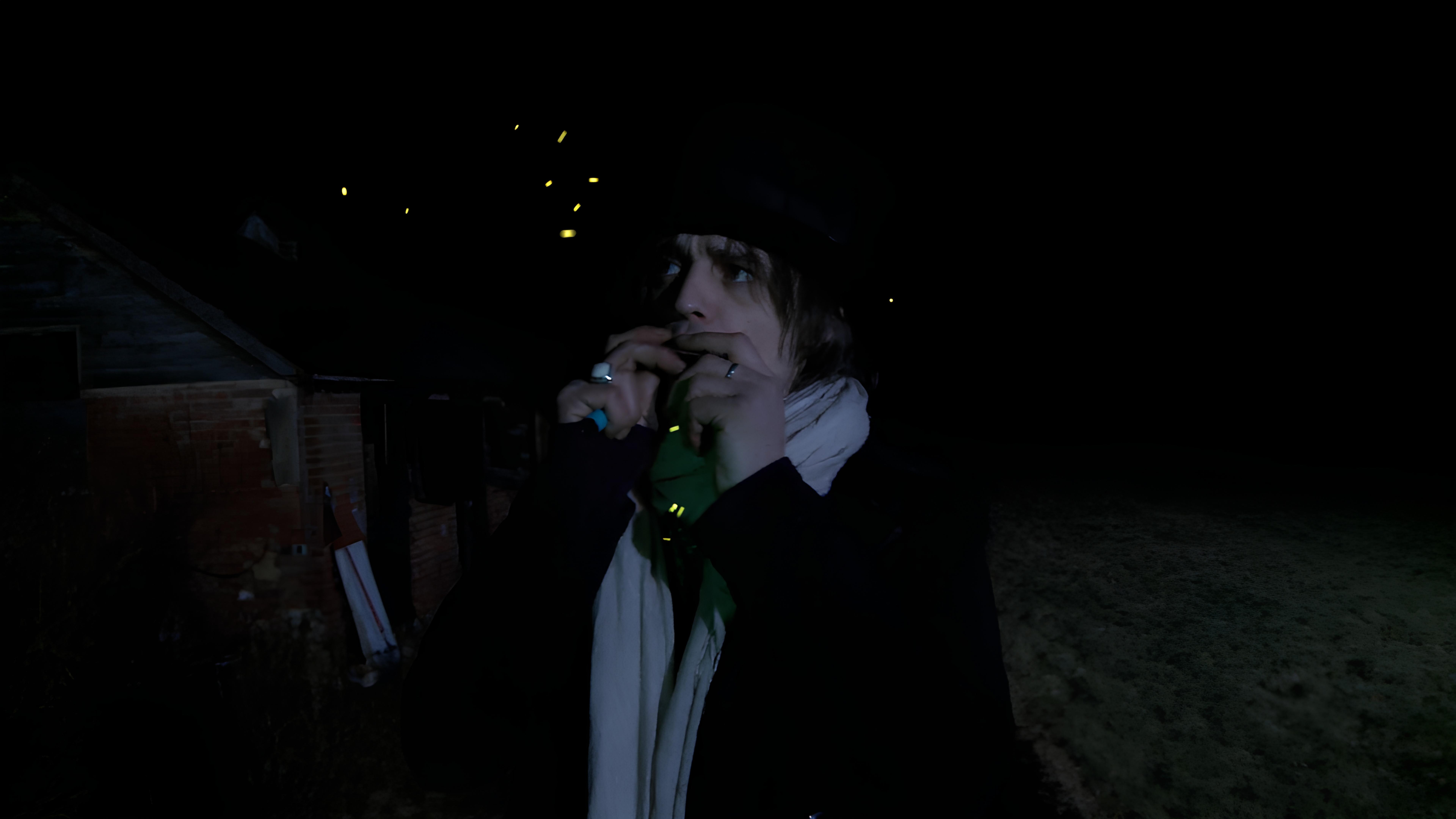
There’s a redemptive finale in the Normandy countryside where Doherty, finally clean at 44, lives with deVidas and their baby daughter, in a happier remake of Jim Morrison’s last, drunk days living out his poet fantasies in Paris. The jury is pretty much in on Doherty’s own art, fascinating in its frailty, subsisting on stirred embers, but rarely rising to greatness. DeVidas’ unblinking access is remarkable, but discovers less than she might hope.