

The proto version of this tribute show took place at Queen Elizabeth Hall in 2008 on the eve of the 30th anniversary of Sandy Denny’s death. This tour coincides with the release of a new box-set and draws on Thea Gilmore’s courageous recent settings of some of Denny’s rediscovered lyrics. A career-spanning set of covers, it pours water on the embers of a stunning back catalogue as much as it reignites them.
new music reviews
Natalie Shaw

One image remains stuck from Watch the Throne's second of five sold-out nights in London; it’s a song-long vision of Kanye West and Jay-Z – aka J Hova or just Hov – sat side by side for Hov’s “Hard Knock Life”. Hov’s words fell out of his mouth seemingly effortlessly as the track's structure emerged while ‘Ye sat in a silent, contemplative stoop - his dripping sweat and jewellery making him look post-marathon mid-set.
theartsdesk

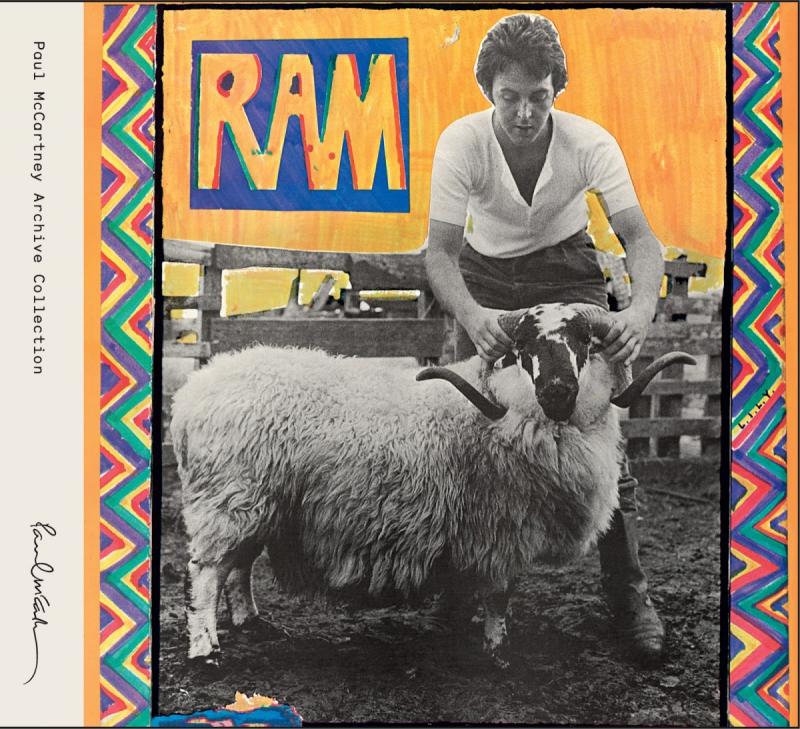 Paul and Linda McCartney: Ram (Deluxe Edition)
Jasper Rees
Joe Muggs

“Post-classical” the FatCat label call it, and well they might. All three of the acts who played at the Barbican last night in one way or another used the instrumentation of the classical concert hall but in a way that was completely dislodged from tradition – not raging against it, nor fighting to escape it in the sense of high modernism, nor reviving it, but rather looking back on it as something other, something of a different era.
Russ Coffey

Often it can seem the sheer struggle of early reggae gets lost in all that happy, spliff-smoking Rastafarianism of Bob Marley's Legend. For one-time label-mate Jimmy Cliff, however, there was never any sense of “every little thing's going to be alright”. In the 1972 film The Harder They Come, he played a musician forced into crime and eventually shot by the police. And as a singer-songwriter, over a 50-year career, he has sung of injustice and hope. Last night, in front of a rambunctious indigO2, a 64-year-old Cliff showed he has absolutely no intention of mellowing.
Natalie Shaw

Scissor Sisters’ breakout cover of Pink Floyd’s “Comfortably Numb” was so downright preposterous it looked likely to doom the New Yorkers to one-hit wonder status; it’s the kind of balls-out release that comes along only very infrequently. Thankfully for everyone, however, they’ve gone on to become one of our most treasured pop acts - headlining arena tours in the UK, enjoying life at the top of the charts and attracting fans from across the board.
theartsdesk

Kieron Tyler

Some things just don’t need saying. “If you know the chorus to this one, please join in” comes the invitation from the stage just before “Dreadlock Holiday”. On the final date of 10cc’s 40th anniversary tour it was unlikely that anyone at the Royal Albert Hall didn’t know the chorus. Actually, it’s unlikely that anyone, anywhere, doesn’t know the chorus.
Kieron Tyler

For a Brit navigating Denmark’s annual showcase of home-grown music, it’s impossible to eradicate thoughts of the Danish TV seen in the UK recently. Obviously, detecting Borgen-style intrigue while wandering around is unfeasible. But something else might be more obvious. However bright the sun, the wind is cold and warmish clothing is essential. Yet no one sports a Sarah Lund jumper. It’s a reminder that TV drama isn’t a guidebook. SPOT’s cutting-edge crowd has no idea about foreign notions of what might constitute Danish.
Joe Muggs

Club culture has always had a tension between democratisation (“come one, come all!”) and exclusivity (the thrill of being in the know about the newest or most underground thing). The best clubs have always been the ones that find ways of short-circuiting this seeming opposition, and a great part of the success of The Boiler Room is the way they have harnessed technology to perform the same trick.