

I have to admit I was That Hipster with Underworld: loved them circa 1991, stopped being intensely interested around the first album, diverged almost completely after “Born Slippy” went supernova circa 1995.
new music reviews
Russ Coffey

On Monday, Pink shocked Twitter followers by announcing she was pulling out of a gig at Birmingham’s LG Arena. A lung infection had confined her to the hotel. “She better get well soon,” said one fan. “I’d die if she cancelled at the O2.” She didn’t, of course. Whether due to an awful lot of oranges or sheer guts she arrived on stage last night, catapulted by giant bungee cords.
peter.quinn

The CD booklet note by NASA astrobiologist Daniella Scalice is just the first of many striking features on this third Basho CD by the Mercury Prize-nominated pianist Kit Downes. Joined by his core trio of bassist Calum Gourlay and drummer James Maddren (both fellow alumni of the Royal Academy of Music), plus reeds player James Allsopp and cellist Lucy Railton, Light From Old Stars sees Downes really getting into his compositional stride.
Sebastian Scotney

Orpheus, set in an imaginary Paris in the 1930s, delivers an unashamedly escapist and a quite delightful evening's entertainment. The Orpheus myth is often a pretext for fantasy or fun. Maybe the original, tragic tale is just too unremittingly dark and poignant.
Tim Cumming

The choir sing off stage at first, under the wide arch to the side before filling the platform and singing the praises of Cuba’s Orisha spirits. Those Orisha guys must be shining like beads on a necklace. Lucumi were finalists in the 2008 BBC Choir of the Year, and they’re a multicultural London choir putting their voices at the service of Afro-Cuban music traditions, where it all begins with the hands and mouth. Percussion, lead voice, chorus, and the call-and-response pattern-making of chants that swim us to the deeper end of the pool.
James Williams

It was a full house in Kentish Town for a homecoming show for grime pioneers Wiley, Skepta and JME. A far cry from the Sidewinder and Eskimo Dance parties that spawned so many of the scene’s main players, instead this was a night that carried an air of triumph, a "we made it" moment that inspired explosive performances and a fantastically receptive audience.
Kieron Tyler

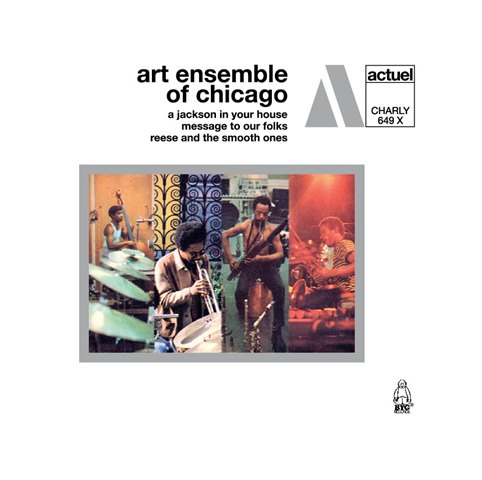 Art Ensemble of Chicago: A Jackson in Your House/Message to Our Folks/Reese and the Smooth Ones
Russ Coffey

If one thing unites James and last night's support act, Echo & the Bunnymen, it’s that they both tend to be underrated. James’s big college rock songs can overshadow the true splendour of their weird, poetic and off-kilter worldview. The Bunnymen’s problem is that, outside their fanbase, too many simply know them for their song “The Killing Moon”, which featured in the film Donnie Darko. Last night, they didn't seem to want to do much to change that.
Tom Birchenough

The new South Bank Show has glided into its second season with a seemingly effortless profile of multi-hyphenate Tim Minchin. In case we’ve forgotten what exactly we admire him for these days – so varied has been his decade-long career been, through satire, rock, musical comedy, stage performance, to co-creator of the RSC transfer-spectacular Matilda that's now storming Broadway – then this was a good reminder.
peter.quinn

OK, so you've given your copies of Rod's It Had To Be You and Robbie's Swing When You're Winning a few listens (released many, many years ago, the latter is still top of the iTunes jazz albums chart in a gazillion countries). You've memorised the words and now you quite fancy giving “Summertime” a bit of a go. A touch of rubato here, a judicious tweak of the melody line there and, hey, you're singing jazz! Er, not quite.