Modesty is the last refuge of fantasy franchises once too big to fail. Much like The Mandalorian and Grogu and Captain America: Brave New World, Supergirl is a scaled-back sf story with minor-league villains and a manageable quest. Two films into James Gunn’s DC Extended Universe reboot, it already feels like a fill-in.
It’s still a long way from last orders in the pub crawl glimpsed when Kara Zor-El/Supergirl (Milly Alcock) cameoed in Superman as she continues her interstellar 23rd birthday party. The cousin of Kal-El/Superman (David Corenswet) is more like his surly kid sister, exasperated at his boy scout ethos and closer to her anarchic super-dog Krypto (whose revival was a left-field Gunn win). Her hedonistic response to her fellow Kryptonian’s entreaties to help protect Earth is rudely interrupted by Ruthye (Eve Ridley) who, following her family’s murder by space brigand Krem (Matthias Schoenaerts), seeks help to exact revenge. When Krem zaps Krypto with a fatal poison only he has the cure for, Kara reluctantly joins the chase.
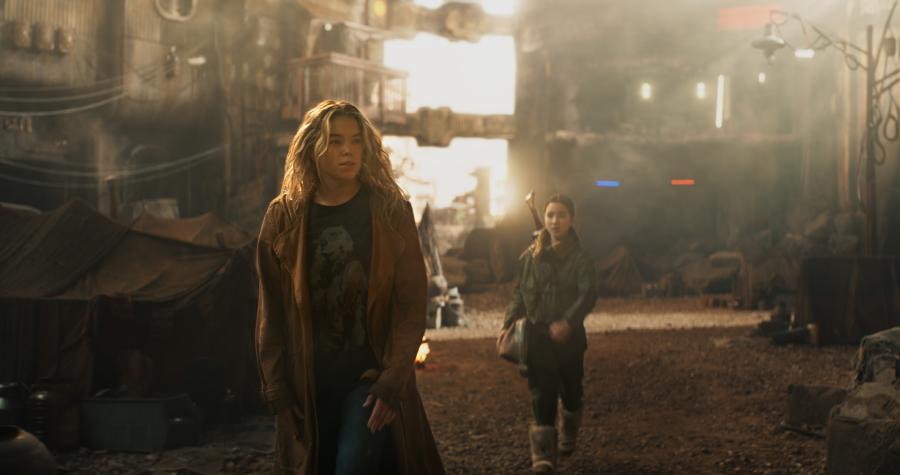
Source comic Supergirl: Woman of Tomorrow provides the True Grit-style scenario, not the only Western lift alongside Star Wars oater riffs, from rustic outpost slaughter to a desert planet and riotous cantina. The brisk slaying of Ruthye’s parents meanwhile shows the routineness of such loss in superhero circles, ever since muggers killed Bruce Wayne’s parents. Debut screenwriter Ana Nogueira builds clear emotional beats for Kara’s distinct experience as Earth’s second orphaned Kryptonian refugee. Where baby Kal-El’s escape pod from his dying planet reached Kansas, where he was raised as a corn-fed all-American, flashbacks show Kara growing to adolescence in Argo City, a forcefield-shielded fragment cut adrift from doomed Krypton by her scientist dad. Kryptonite radioactivity becomes a final nemesis, slowly killing Kara’s mum, and forcing her Earthbound escape. Her brilliant parents’ Kryptonian phonetics incidentally suggest Arabic, adding refugee resonance.
The poignant golden light and gleaming citadels of elite Krypton life as the planet dies also shows the high-born nature of our super-saviours, glossed over by Kal-El’s manger-like, plain folks start. His relative innocence makes him “young”, Kara believes. Ruthye observes her more complex morality: “You’re not always nice, but you’re kind. And you’re not perfect, but you’re good.”

Alcock isn’t all in with Kara’s hungover first half but convinces as she emotionally grows while in loco parentis to Ruthye, and Krypto. Dressed down in a trenchcoat and weakened to civvie status by non-yellow suns, her costume and full powers arrive late. Director Craig Gillespie stages offbeat action scenes, with beaten baddies flung from offscreen melees in cartoon fashion. Schoenaerts’ sly, brutish villain’s crimes include sex-trafficking of young “Brides”, adding noxiousness to an otherwise low-grade antagonist.
The increase in blockbusters’ female protagonists is enormously welcome. Like 1984’s Supergirl, though, this feels like a B-movie next to the male main feature. Gunn’s patented needle-drops are muted, wit thinly spread and the rarely rousing conflict more gap-year adventure than super-saga. Even Kara’s weathered morality is betrayed by a final, gratuitous act which hammers a stake through the franchise’s wholesome heart. Costing Warner hundreds of millions of dollars for such modest returns, is this really the film of tomorrow?