In a quirk of film scheduling, The Duke of Burgundy was out in cinemas the week after Fifty Shades of Grey. While it’s doubtful there will have been much audience overlap, the bigger beast gobbled up every single one of the S&M column inches that season. Now out on DVD, Peter Strickland’s infinitely more nuanced portrait of sub-dom co-dependency - and the concept of the safe word - has a clearer claim on all our attention.
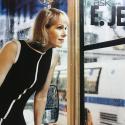
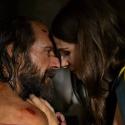
Domiciled in an autumnal Euroscape blessedly free of men (actually rural Hungary), Sidse Babett Knudsen and Chiara d’Anna play Cynthia and Evelyn, a mistress and servant whose seemingly codified roles are subject to microscopic study, rather like the rare butterflies that are Cynthia’s ruling passion. But which woman is really in charge as a series of ritual humiliations are played out like an X-rated Groundhog Day?
Anyone after nudity has come to the wrong address, while the most shocking act of violence finds Knudsen ripping her own tights in anger as if tearing off her own chains. There is the palliative of humour mixed into a pervasive whiff of exotic rot and Gothic decay. How much of the film's carefully constructed stylings are original Strickland is part of the lattice of shimmering effects – cineastes can enjoy rifling through an encyclopaedia of references to masters of high and low erotica.
The sense that the viewer is being teased and toyed with is set up in the opening titles, which include a credit for perfume by Je Suis Gizela and dress and lingerie by Andrea Flesch (which may of course be her real name). The pastiche girlie pop is from Cat’s Eye, a name which finds an echo in the household's pet, a silent witness to a variety of trussings and mufflings and golden showerings. There's also something feline in the kohl-rimmed gaze of the two curiously twinned actresses, each with their off-centre English from opposite poles of the European continent.
Lepidopterists, who will of course understand the film's title, may also appreciate among the extras a photo gallery of insects. Strickland, the most kinkily unBritish British director since perhaps Michael Powell, submits himself to interview, supplies a director’s commentary, and there are even some deleted scenes to sink your teeth into.