
Turner Prize 2012 shortlist | reviews, news & interviews
Turner Prize 2012 shortlist
Turner Prize 2012 shortlist
A so-so selection with a clear popular favourite
Wednesday, 02 May 2012
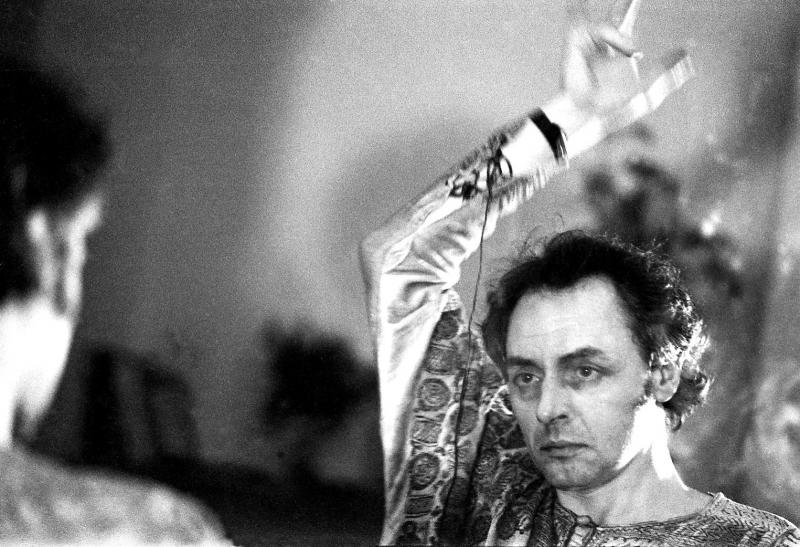
Luke Fowler's 'All Selves Divided', which uses archive footage of counter-culture psychiatrist R D Laing
Where’s Marcus Coates? The gangly shaman-artist was last seen communing with the dark spirit of the soon-to-be demolished Heygate Estate in the Elephant and Castle, but, hell, he’s nowhere on the Turner Prize 2012 shortlist.
Coates is an artist whose profile has been steadily growing over the last decade. Last year he showed a moving work at the Serpentine Gallery in which he carried out the last wishes of patients in a hospice (one elderly gentleman said he’d always wanted to go to the Amazon, and so Coates undertook the trip on his behalf). But after seeing his latest film, Vision Quest, in which he donned a horse’s head to perform a ritual exorcism of the South London estate and was then possessed by its “spirit”, I thought that he’d perhaps tipped the balance too far from the comically unnerving to the frankly raving. Perhaps the judges felt the same.
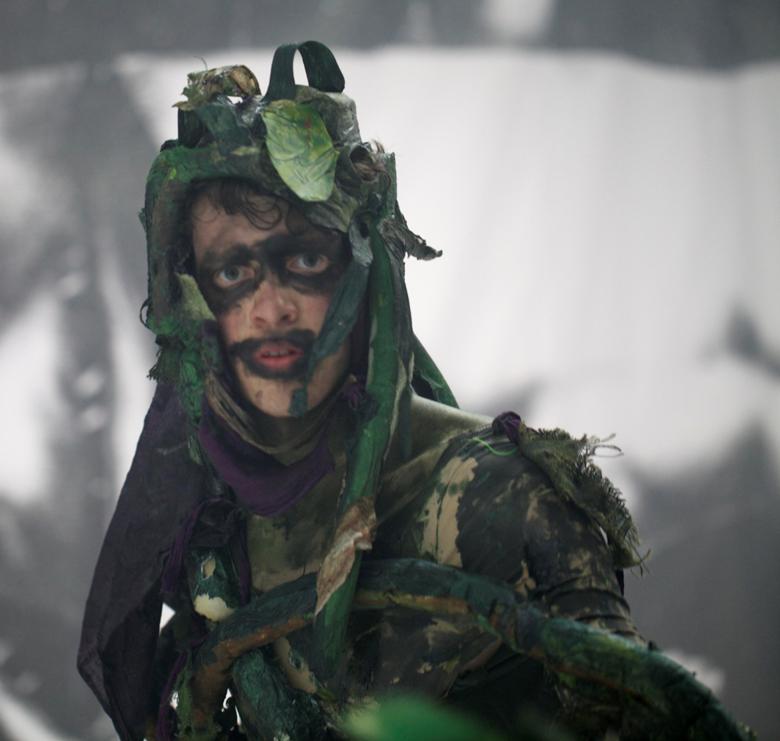 One “eccentric” performance artist who has made it on the shortlist is the memorably named Spartacus Chetwynd. She changed her first name from Lali in 2007 and says she’ll change it back again when it’s stopped annoying people. She also claims to live in a nudist colony in South London. Her performances (pictured right: Odd Man Out) are typically shambolic affairs which embrace a new age traveller/street theatre aesthetic - though most of the time all you get to see are the stage remnants of her performances. These sloughed costumes and stage props don’t, in themselves, add up to very much.
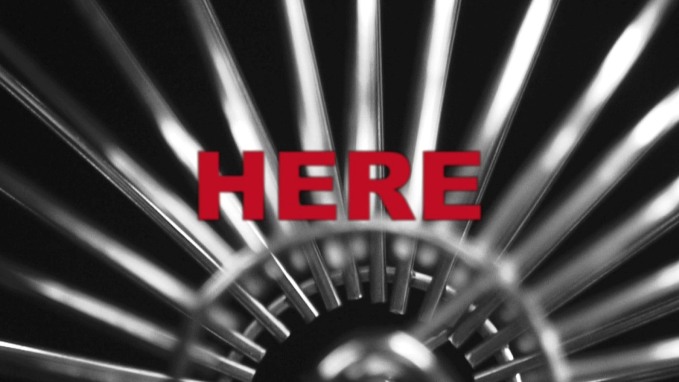 Then there are two film-makers, Elizabeth Price and Luke Fowler, both of whom look back to the recent past in some way. Price’s films have a slick, anodyne Eighties feel: a droning synth-pop soundtrack over footage revealing fragments of shiny modernist accoutrements and text (pictured left: still from User Group Disco). Meanwhile, Fowler looks back to once cult but now marginal figures, such as counter-culture psychiatrist RD Laing (main picture: still from All Divided Selves) and experimental composer Cornelius Cardew, and he knits together fascinating archive footage in which they, and their activities, feature. But it’s the archive footage that’s interesting, and not what Fowler does with any of it particularly.
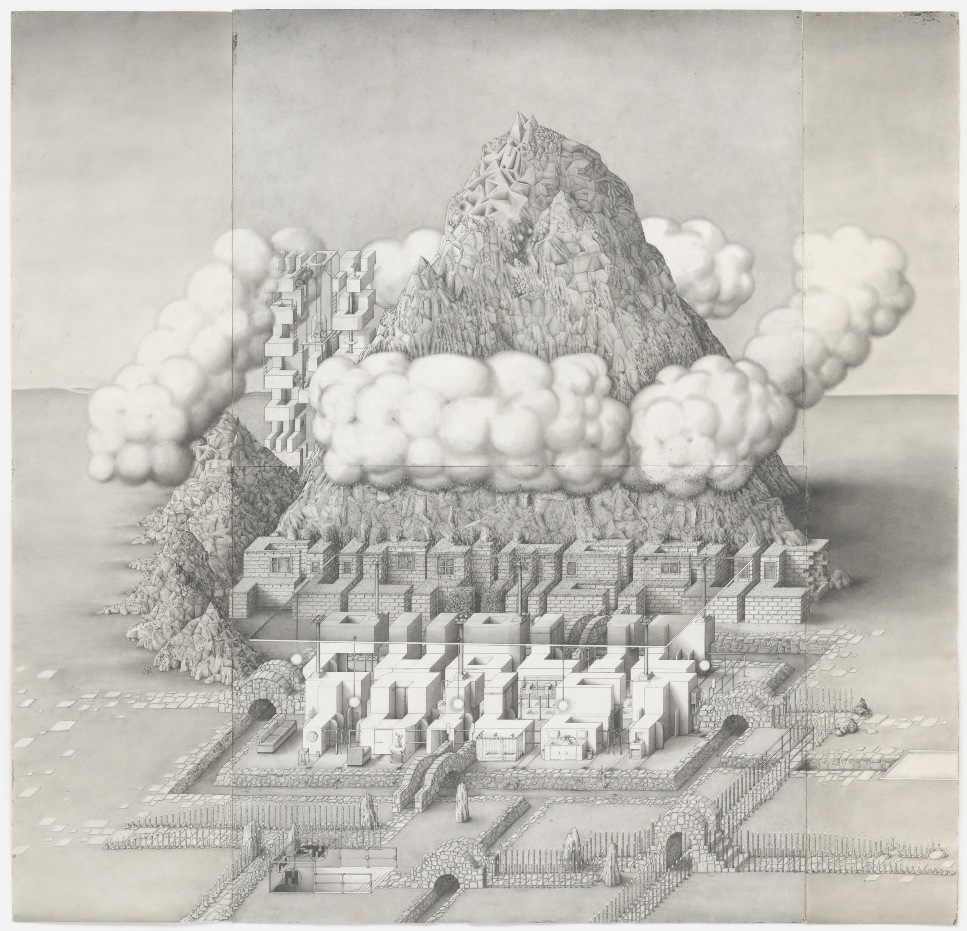 Finally, there’s Paul Noble, who’s spent the last 15 years creating his minutely detailed, large-scale drawings of a fantasy metropolis called Nobson Newtown, which are beautifully drawn and populated by turd-figures (pictured right: Public Toilet). In their scale and meticulous draughtsmanship they appear to reach even further back into the past, to suggest the fanciful and monumental architectural drawings of the Renaissance. Like last year’s Turner Prize nominee George Shaw, Noble is already proving a popular favourite, but this time it’s hard to see where the stiff competition is coming from.
- Work by the shortlisted artists will be shown at Tate Britain from 2 October
In their scale and meticulous draughtsmanship they appear to reach even further back into the past
Explore topics
Share this article
Add comment
The future of Arts Journalism
You can stop theartsdesk.com closing!
We urgently need financing to survive. Our fundraising drive has thus far raised £49,000 but we need to reach £100,000 or we will be forced to close. Please contribute here: https://gofund.me/c3f6033d
And if you can forward this information to anyone who might assist, we’d be grateful.

Subscribe to theartsdesk.com
Thank you for continuing to read our work on theartsdesk.com. For unlimited access to every article in its entirety, including our archive of more than 15,000 pieces, we're asking for £5 per month or £40 per year. We feel it's a very good deal, and hope you do too.
To take a subscription now simply click here.
And if you're looking for that extra gift for a friend or family member, why not treat them to a theartsdesk.com gift subscription?
more Visual arts
 'We are bowled over!' Thank you for your messages of love and support
Much-appreciated words of commendation from readers and the cultural community
'We are bowled over!' Thank you for your messages of love and support
Much-appreciated words of commendation from readers and the cultural community
 Folkestone Triennial 2025 - landscape, seascape, art lovers' escape
Locally rooted festival brings home many but not all global concerns
Folkestone Triennial 2025 - landscape, seascape, art lovers' escape
Locally rooted festival brings home many but not all global concerns
 Sir Brian Clarke (1953-2025) - a personal tribute
Remembering an artist with a gift for the transcendent
Sir Brian Clarke (1953-2025) - a personal tribute
Remembering an artist with a gift for the transcendent
 Emily Kam Kngwarray, Tate Modern review - glimpses of another world
Pictures that are an affirmation of belonging
Emily Kam Kngwarray, Tate Modern review - glimpses of another world
Pictures that are an affirmation of belonging
 Kiefer / Van Gogh, Royal Academy review - a pairing of opposites
Small scale intensity meets large scale melodrama
Kiefer / Van Gogh, Royal Academy review - a pairing of opposites
Small scale intensity meets large scale melodrama
 Jenny Saville: The Anatomy of Painting, National Portrait Gallery review - a protégé losing her way
A brilliant painter in search of a worthwhile subject
Jenny Saville: The Anatomy of Painting, National Portrait Gallery review - a protégé losing her way
A brilliant painter in search of a worthwhile subject
 Abstract Erotic, Courtauld Gallery review - sculpture that is sensuous, funny and subversive
Testing the boundaries of good taste, and winning
Abstract Erotic, Courtauld Gallery review - sculpture that is sensuous, funny and subversive
Testing the boundaries of good taste, and winning
 Edward Burra, Tate Britain review - watercolour made mainstream
Social satire with a nasty bite
Edward Burra, Tate Britain review - watercolour made mainstream
Social satire with a nasty bite
 Ithell Colquhoun, Tate Britain review - revelations of a weird and wonderful world
Emanations from the unconscious
Ithell Colquhoun, Tate Britain review - revelations of a weird and wonderful world
Emanations from the unconscious
 Rachel Jones: Gated Canyons, Dulwich Picture Gallery review - teeth with a real bite
Mouths have never looked so good
Rachel Jones: Gated Canyons, Dulwich Picture Gallery review - teeth with a real bite
Mouths have never looked so good
 Yoshitomo Nara, Hayward Gallery review - sickeningly cute kids
How to make millions out of kitsch
Yoshitomo Nara, Hayward Gallery review - sickeningly cute kids
How to make millions out of kitsch
 Hamad Butt: Apprehensions, Whitechapel Gallery review - cool, calm and potentially lethal
The YBA who didn’t have time to become a household name
Hamad Butt: Apprehensions, Whitechapel Gallery review - cool, calm and potentially lethal
The YBA who didn’t have time to become a household name
Comments
Coates has been an obvious