

It’s a story being repeated the world over – apex predators such as lynx, wolves and bears hunted to extinction, followed by the gradual realisation that a healthy ecosystem requires their presence.
Attempts to reintroduce them have met with varying degrees of success. In Yellowstone National Park, the grey wolves released 20 years ago have proved hugely beneficial, but whenever livestock are in the picture things get messy.
Two years ago in Colorado, people voted to reintroduce wolves, but local ranchers were still angered by the loss of their cattle to the predators. And plans to reintroduce wolves or lynx to Scotland have constantly been thwarted by influential landowners.
In The Shepherd and the Bear, director Max Keegan focuses on the sheep farming community of Ariege in the French Pyrenees where, to the dismay of the locals, bears were reintroduced 30 years ago under an EU programme called LIFE.
Their numbers have since risen along with the number of sheep they kill. The documentary is not a diatribe for or against reintroduction, though. By simply following events as they unfold, Keegan allows all sides of the argument to be aired by the protagonists.
Setting the scene is a heroic shot of shepherd, Yves Raspaud silhouetted against the sky (main picture). Now 63, he has spent 47 summers guarding his flock as they graze the high mountain pastures. Now, though, he is scared by the increasingly brazen behaviour of the bears, six or seven of whom roam the area.
His assistant, Lisa Laguerre loves the freedom of being in the mountains, but when Yves is threatened by a bear just outside the cabin, she has had enough and decides to quit. Senator Madame Suare comes with some local bigwigs to inquire what help is needed, but they are unmoved by Yves’ request to shoot the bears.
Yves is desperate to avoid the animals, but Cyril – a keen wild life photographer – is eager to spot one. He spends his free time tracking the animals, much to the amusement of his parents, who are sheep farmers. His mother wants the bears eradicated, but his father’s view is more nuanced: “do we have the right to destroy everything that bothers us?” he asks. “Do bears have the right to live here or not?”
These questions are crucial to the arguments swirling around, and they could not be more timely. But the issue is also more complicated than man versus wild animals. “It’s not just about the bears,” Yves points out, “but a way of life. If things continue like this, in 10 year's time, there’ll be no one left here.”
Guarding sheep is not the most thrilling activity to record on film, but the mountains provide an awesome backdrop to the drama being played out on their slopes. Dense mists, torrential rain and dramatic thunderstorms also add to the tension created by Amine Bouhafa’s spooky soundtrack.
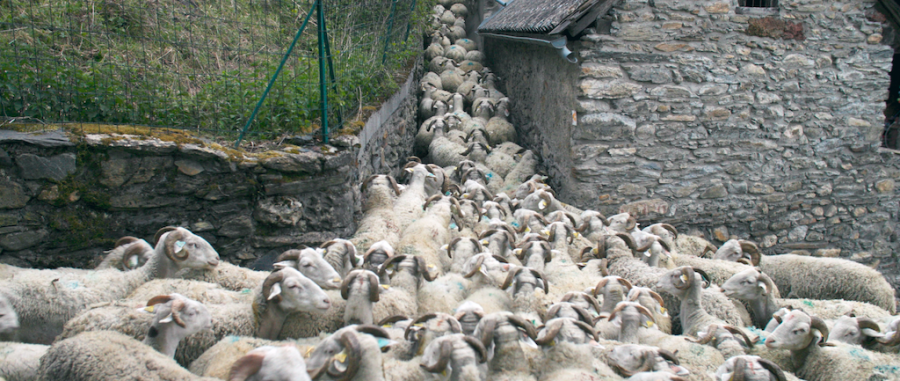
There are some lovely aerial shots of the flock pouring along the road out of the village before wending their way up to the high pastures (pictured above: the flock make their way up to the mountain), where they spread out like skeins of fine wool. Offsetting these tranquil scenes are some increasingly contentious meetings between farmers keen to rid themselves of the bears and environmentalists determined to uphold the scheme.
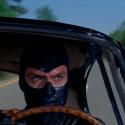
The tipping point comes when a hunter shoots a bear as it charges him, and is arrested for killing a protected species. Angry crowds gather outside the police station. Masked vigilantes film themselves shooting into the air and declaring their intention “to mount an active resistance against the agents of the state. We won’t accept any restrictions on hunting in this valley.”
“Ariege land of freedom”, they chant. Battle lines are drawn.








Add comment