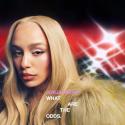
In an interview with Zane Lowe about her new album, Halsey said that the producers wanted to “make some really weird choices”. This was, you suspect, the intention: you don’t bring Trent Reznor and Atticus Ross of Nine Inch Nails onboard to produce the follow-up to your mainstream pop breakthrough without being open to something pretty weird. Described by the singer (who uses she/they pronouns interchangeably) as “a concept album about the joys and horrors of pregnancy and childbirth” and combining cinematic production with pure pop riffs, If I Can’t Have Love, I Want Power is the boldest sonic statement yet from an artist who has never shied away from airing their grievances in public.
Given Ross and Reznor’s Oscar-winning soundtrack composition credentials – and the high-concept, gothic horror-tinged feature-length film that accompanied the album’s release – the vibes are cinematic from the start. “Ask for forgiveness, never permission,” Halsey sings stridently over Reznor’s evocative piano work, elegant lyrics spelling out the dark side of fairytales and fame. The striking “The Bells in Santa Fe” treads similar lyrical ground while dialling up the atmosphere, dubstep producer The Bug contributing a frantic, menacing riff that sounds like the loneliest girl in town chewing up and spitting out an LCD Soundsystem record.
Sound a little too sinister? The trick, and what makes the album’s heavy themes and ponderous packaging so easy to swallow, is the range of sonic styles – which, thanks to skilled sequencing and a singular production vision, never seem to jar. “Easier Than Lying” is a hard rock banger with an infectious scream-sung chorus while, at the other end of the scale, “Darling” is a tender, minimalist lullaby to her newborn son. “Foolish men have tried, but only you have shown me how to love being alive,” Halsey sings, with Lindsey Buckingham’s gorgeous finger-picked melody the only fireworks the song needs. In between, the skittish “Girl is a Gun” sets the madonna-whore dichotomy Halsey explores on the album artwork to a skittish electro beat supplied by Jack Dangers of Meat Beat Manifesto, while “You Asked For This”, on which Reznor and TV On The Radio’s Dave Sitek duel distorted guitars until they scream, offers up an anthemic singalong chorus by way of My Bloody Valentine.
Below: hear "You Asked For This" by Halsey