

The recent speculation as to whether Michael Phelps can be regarded as "the greatest Olympian" leads one to ponder the very notion of judging "greatness" hierarchically. If the only criterion for claiming Phelps as the "greatest" is based on his winning the most medals then it would be equivalent to judging the best film ever made on the amount of Oscars it had won. Step up Ben Hur, Titanic and The Lord of the Rings, each of which gained 11 Academy Awards. Yet none of these three films featured prominently, or at all, in the decennial Sight and Sound poll of the greatest films ever made.
The greatest film ever made? It is neither Vertigo, Citizen Kane nor Tokyo Story, in that order (as the Sight and Sound poll of 846 critics indicates). Any answer is as preposterous as the question. Whichever film is judged the greatest is irrelevant.
As Sight and Sound editor Nick James admits, it is merely a game, but one which is taken very seriously by film buffs, critics and filmmakers. It would be fine if it were only a party game, but lists seem to have become substitutes for serious discourse on films. No need to bother too much with the reasoning behind the choice. In what way is Vertigo superior to Citizen Kane or vice versa? In the arts, the only useful lists, as I see it, are the lists of bestselling books and top box-office films as a guide to what to avoid.
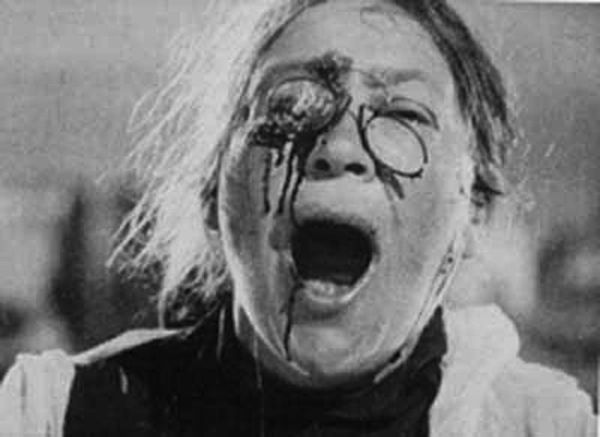 From my own experience, I find these lists totally pointless. A couple of years ago, I wrote The Eyewitness Companion to Film, which included a section on the top 100 movies for which I had to lay down the criteria for my eclectic selection. Naturally I had to include those films that are perceived as in "the canon" - films that appear predictably on film historians' - and critics' - all-time best lists and form an essential part of any film studies course: films, regardless of personal likes and dislikes, that have had a seminal effect on film history for both technical and aesthetic reasons such as The Birth of a Nation, The Cabinet of Dr Caligari, Nanook of the North, The Battleship Potemkin (pictured above right), Bicycle Thieves, L'Avventura and Breathless.
The list had to be limited to one film per director, mainly because it would be easy to come up with 100 films that included only works by great directors such as Alfred Hitchcock, Ingmar Bergman, Luis Buñuel, Federico Fellini, John Ford, Jean Renoir, Akira Kurosawa and Billy Wilder. Any of the films chosen to represent the directors above could have been replaced by another title. North by Northwest, Psycho or Rear Window instead of Vertigo? Wild Strawberries, Persona or Fanny and Alexander in place of The Seventh Seal?
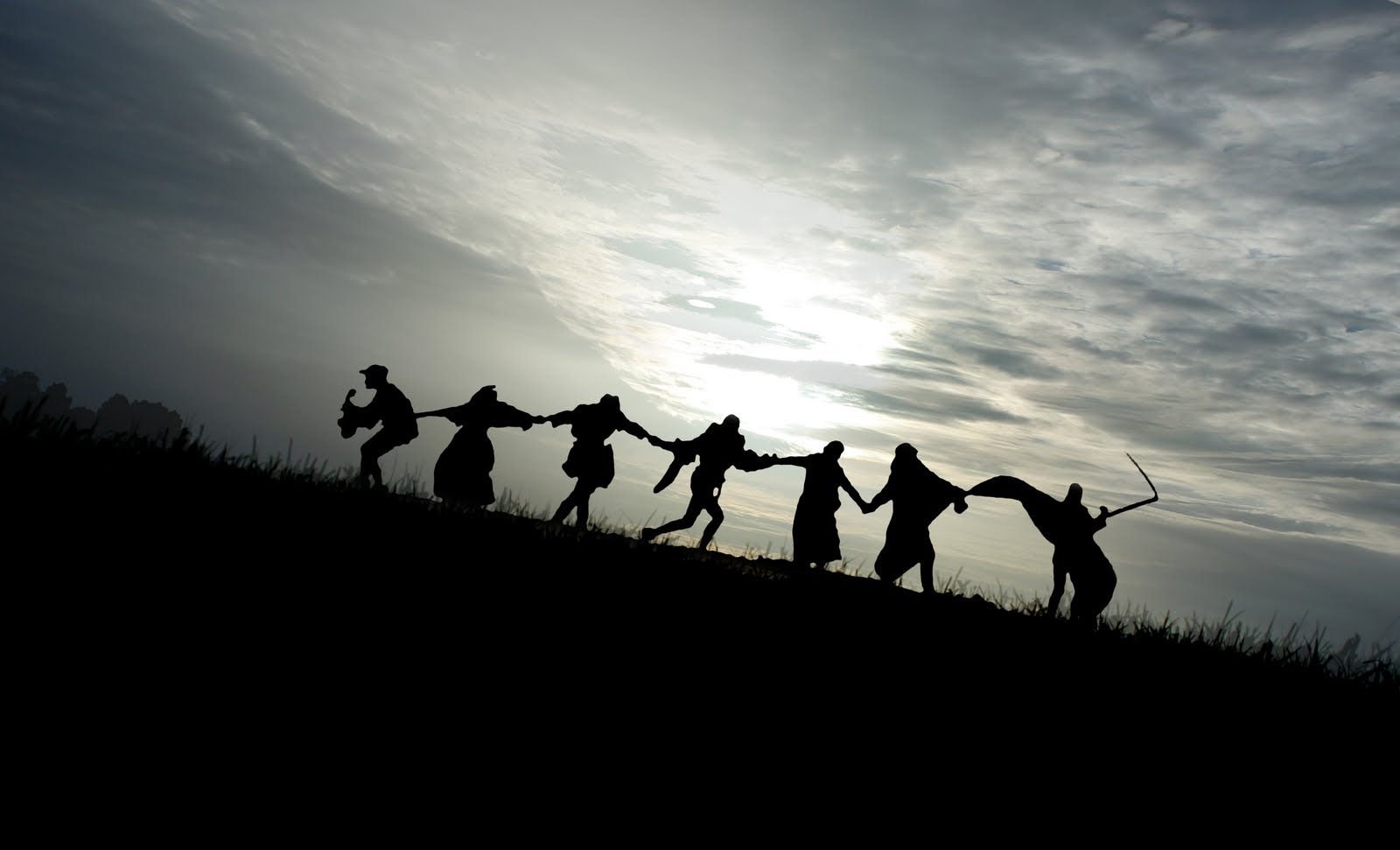 Greatness has no hierarchy. It is as if one were to ask who is the greatest composer among Bach, Beethoven, Mozart or Wagner; or to put Giotto, Rembrandt, Goya or Picasso in order of quality. If Giorgio Vasari were writing today, he would have to list his 10 favourite painters in order of preference. The star system is even more reductionist. Imagine Ernest Newman or James Agate putting stars over their reviews of concerts and plays respectively. How does a critic's mixed reactions to a film translate into one, two or three stars? How does one rate a flawed masterpiece? To what paradigmatic ideal do the critics subscribe? In fact, we no longer need film critics. All that's required is to give a film a star rating and then put it on a list. A far more interesting poll would be if critics were not allowed to select films from the canon or from any respectable "100 Best Film list".
However, if one accepts the fact that the majority of film critics in the world think that Vertigo is the best film ever made, it raises the question of whether film as an art form is perhaps inferior to the other, older, arts. As someone who has made a living of sorts for over 30 years writing about film and teaching film history and film theory, that may seem like sacrilege. But if one were to assess the greatest works in each art in categories like at Crufts, then bring the winner of each category together for the Best in Show, then I’m afraid Vertigo, whatever its many virtues, wouldn’t stand a chance against, say, Don Giovanni, The Divine Comedy, Ulysses, Hamlet or the Ninth Symphony. That may sound like a film critic complaining that The Night Watch wasn’t any good because it didn’t move, or an opera critic attacking ballet dancers for not singing – but is there really a film that can match any of the genuine masterpieces in the other arts?









Add comment