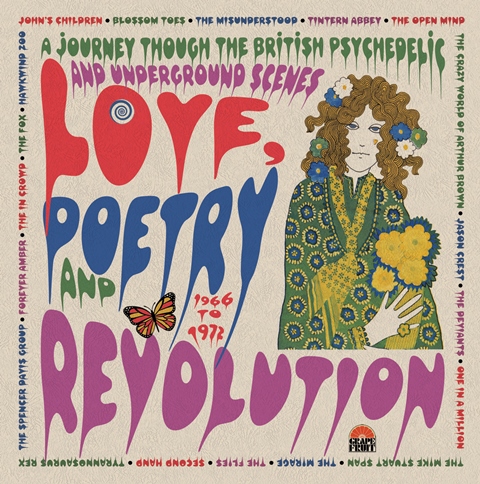
 Various Artists: Love, Poetry and Revolution


Various Artists: Love, Poetry and Revolution

In jazz, 2013 belonged to Wayne Shorter. In recognition of a remarkable six-decade career as a saxophonist, educator and composer, Shorter, who turned 80 in August last year, received a lifetime achievement award from the Thelonious Monk Institute of Jazz – only the second time in the Institute’s history that it has bestowed such an honour (Quincy Jones being the first recipient in 1996). There were yet more awards from the Jazz Journalists Association: Lifetime Achievement in Jazz, Soprano Saxophonist of the Year, and Small Ensemble of the Year.

Despite his nickname and habit of doing a bunk, George “Shadow” Morton was one of America’s highest-profile and most distinctive producers and songwriters. He was responsible for shaping the sound and style of The Shangri-Las, Janis Ian, Vanilla Fudge and The New York Dolls. Until the release of Sophisticated Boom Boom!! – The Shadow Morton Story, the musical side of his story had not been told. A consummate collection, this significant release was pulled off with style. The packaging was superb, as was the annotation. Its music was amazing too.

Queer as Pop (****) was as much about social as musical history, and Nick Vaughan-Smith’s film told its story with a combination of outstanding archive material and some incisive interviewees, the archive taking fractionally more of the weight. Subtitled “From the Gay Scene to the Mainstream”, it started loosely in the Sixties, then jumped back and forth across the Atlantic until the present day as the story demanded.

It’s panto time in the UK and what better way to get into the spirit than the Goth Christmas Roadshow that is The Mission and Fields of the Nephilim? Here are two bands who were part of the goth scene that sprang forth in the second half of the Eighties in black cowboy hats and blacker shades, with a mission to move things away from post-punk austerity and back towards Seventies excess.

She has been called “Africa’s greatest diva” but as DJ Nihal giving the award of Artist of the Year at this year’s Songlines Awards to Angélique Kidjo pointed out the word “diva” is a loaded one, and makes you think of Mariah Carey’s backstage tantrums. Not that there’s aren’t African divas – the imperious Oumou Sangare, for one, but Kidjo is more known her down-to-earth pragmatism and idealism.

Screens dominate the stage at London’s O2 Arena for The Big Christmas Reunion, which seems fitting given the show is an extension of ITV2’s reality series following 5ive, Atomic Kitten, Honeyz, Liberty X, B*Witched and 911 as they get back on the pop wagon a decade after they were all disbanded or dropped by their labels. The giant TV portals loom not just physically but structurally over the whole event, introducing each act with a reel of bland skits and intro VTs borrowed straight from the small screen.

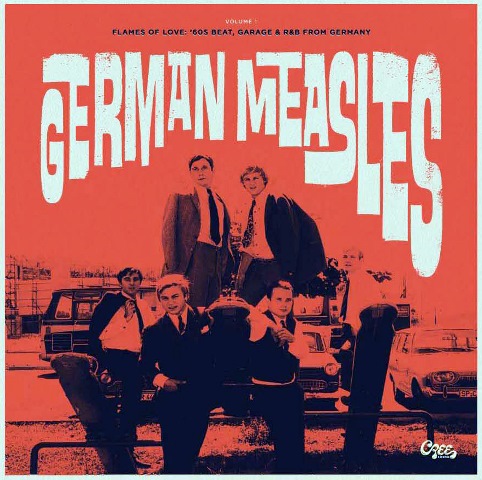 Various Artists: German Measles Vol 1 – Flames of Love / German Measles Vol 2 – Sun Came Out at Seven

It’s now twenty five years since the release of the Waterboys’ most popular album, Fisherman’s Blues. To mark this auspicious occasion, Mike Scott has persuaded EMI to release a six-CD expanded version, Fisherman’s Box, which has 120-odd tracks of the type of music that, let’s not forget, did not receive universal acclaim in 1988 but has significantly grown in stature since then. He’s also called in the guys who recorded these folk, gospel, country and bluegrass flavoured tunes and has hit the road for a proper celebration of their “raggle-taggle gypsy” years.

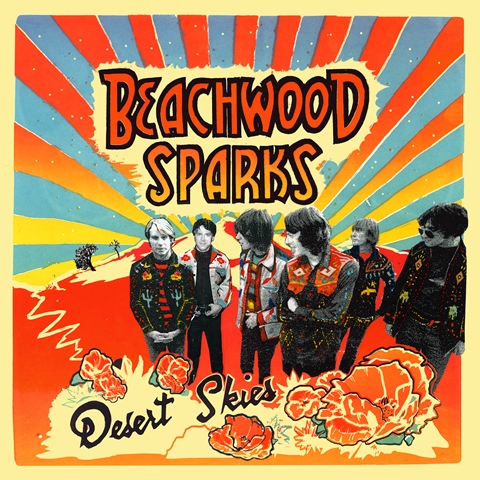 Beachwood Sparks: Desert Skies