Lukas Moodysson caught the miseries and splendours of kids on the cusp of teendom in an early gem, Together (Tillsammans), but there they made up only one strand in the general trajectory of trouble to triumph. That difficult theme of very early adolescence, so easy to parody, so hard to keep truly affectionate, is the entire domain of We Are the Best!
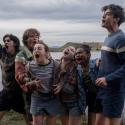
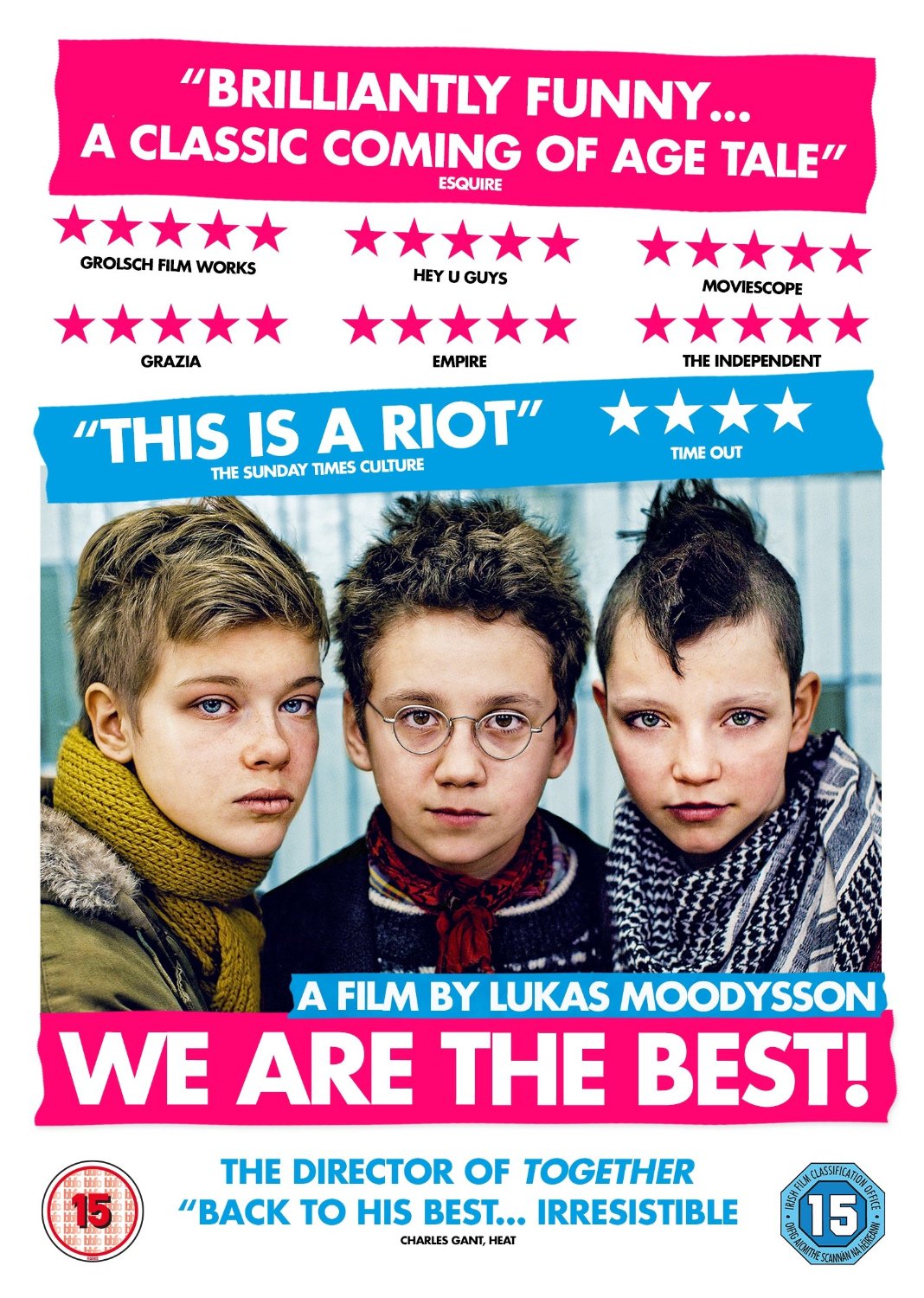 Maybe it partly rings true because the tale of first two, then three spirited girls embracing punk at the end of its natural life in 1982 is also the true story of Moodyson’s wife Coco, who novelized her early angsts and exuberance. But it wouldn’t work without note-perfect performances in the roles of her alter ego Bobo (Mira Barkhammer, touchingly charting how teen depression can lift with the right sort of solidarity), more extrovert and naughty Klara (Mira Grosin, with a wonderful line in incredulous eye-widening) and Hedvig, the Christian guitarist who so surprisingly and far from meekly adapts to their ways (Liv LeMoyne, striking a subtle balance between transformation and staying true to the character’s strong sense of self). What’s especially winning is the real love between the three, both before and after boyfriend trouble threatens to rock the boat. Their families’ involvement, or lack of it, is deftly etched, too.
I laughed out loud a lot, not in mockery of the protest lyrics – though the girls’ signature song, pitting stupid school sport against the troubles of the world, is a hoot – but in recognition of the way they couch essential truths with naïve charm. It’s a vintage moment when Bobo, manipulating Klara over snatching the boy she fancies, says that the "mall punk" song “Brezhnev, Reagan, Fuck Off” is dumb because Brezhnev isn’t even alive any more. “You can say 'fuck off' to a dead guy”, retorts Klara.
Perhaps it’s the way they tell them, but if you found that remotely funny you’ll love this film – and if you know Swedish society, you’ll be tickled by the lightness of touch with which Moodyson mocks its odd mix of primness and liberty back in the 1980s. What a shame there are no extras: I enjoyed the music of Ebba Grön, and I wanted to know more about Swedish punk.