As an elegiac score plays, bails of early editions of the New York Times are bundled and tossed into a fleet of vans, which roll out into the dawn city streets, to distribute the news. The conviction shared by many in this documentary about the paper is that the vans will soon look as quaint as the last of the horse-drawn hackney cabs. The ritual of late-night editorial agonising over stories before the presses roll, and newspapers themselves, are equally under threat. The New York Times’ possible death, as much as daily life there, is director Andrew Rossi’s theme.
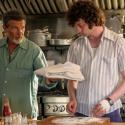
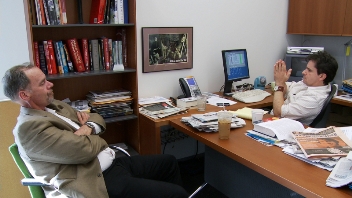
He focuses on the Times’ media desk, where journalists are acutely aware of reporting their own possible demise as the internet and recession see their paper’s ad rates halve. His great gift is star columnist David Carr (pictured below left), a Runyonesque veteran with a wise-guy yap, barking out abrasive patter which never conceals his messianic belief in his perhaps dying job. Carr's previous drug addiction and background as a blogger run contrary to the deserved reputation of the Times - aka the Gray Lady - for impersonal conservatism, one reason he was hired (“He’s the most human of humans!” a colleague gushes).
Rossi tirelessly goes to war with “dead-tree media” attackers and their self-serving agendas, gimlet-eyed and wielding combative, confident rigour. “I don’t know what goes on in Liberia. I’m just a regular guy,” Vice magazine’s Shane Smith tells him as if this is a plus, when discussing the sleazily cynical youth publication/website’s video “travel piece” to the bloody war zone. When Smith starts to brag windily that that’s more than the Times do, Carr pounces like a tiger on a kitten. “We’ve had reporters there reporting on genocide after genocide. Just because you put on a safari suit and look at some poop doesn’t give you the right to insult what we do. But, continue...”
A crucial fault of Rossi’s film for foreign viewers is its overvaluing of the Times’s regal status globally, and underestimating of its recent journalistic failings. Gay Talese’s 1969 book The Kingdom and the Power burnished the myth of a newspaper whose publication was “necessary evidence of the world’s existence”. When I first read it in the late 1980s, I was startled by its aridly neutral tone, so different from Britain’s rabidly partisan press, though concealing rightward leanings. The bias towards power this self-regarding Establishment culture encouraged became appallingly clear in its reporter Judith Miller’s wholesale swallowing of the Bush party line on WMDs before the invasion of Iraq; another reporter’s doubts were kicked into the long grass.
Daniel Ellsberg’s 1971 depositing of the Vietnam-exposing Pentagon Papers with the Times is presented here as the moment the American press said, “we are independent of Presidents and governments, and we are going to speak up.” Whether Ellsberg’s brave exposé would find a home at the paper now is rendered redundant, as its staff grapple with the implications of Julian Assange slapping video footage of a US Apache helicopter killing two Reuters journalists straight onto YouTube. “Daniel Ellsberg needed us,” says the Times’ executive editor Bill Keller. “Wikileaks [whose mass revelations were channelled through the Times, and the Guardian in the UK] did not.”
Rossi films scenes of redundancies familiar at every emptying British newsroom, as long-serving staff leave trailing shock and bitterness, losing the old august certainties of life at the Gray Lady along with their jobs. Rossi suffers from soft-focus and over-respect, like his mainstream American journalism subject (opposite faults apply to our own press). But he catches the continuing, committed work and gallows humour at a grand old ship fearing it’s about to be sunk.
The purpose of such quixotically expensive, ungainly vessels is shown when the possible, official end of the Iraq war is correctly dismissed within minutes of deadline, via Pentagon sources nurtured for years, as made-for-TV-news propaganda. “Not a real event”, it’s not in the next morning’s paper those vans deliver. “The closed, old world of expertise” is one pundit’s dismissal of such customs. But if we stop paying for them, the cost will be high.