"There is no murder in paradise" is the official line of the authorities in 1950s Russia, but nevertheless Child 44 is the blood-drenched tale of a hunt for a mass-murdering paedophile in Stalin's deathly shadow. The source novel was the first in Tom Rob Smith's trilogy about Russia during and after the Great Dictator, and Smith based it on the real-life killer Andrei Chikatilo, the "Rostov Ripper".
Director Daniel Espinosa has done a powerful job of rendering the misery and horror of the USSR in the early 1950s, where your best friend or the work-mate at the next desk may be an informer for the secret police (in this instance the MGB, forerunners of the KGB), and merely to protest your innocence guarantees incarceration, torture and a trip to the Gulag. While fat-cat bureaucrats lounge in limousines and wallow in state-funded largesse, the cowering proletariat shiver and starve.
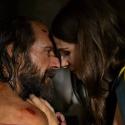
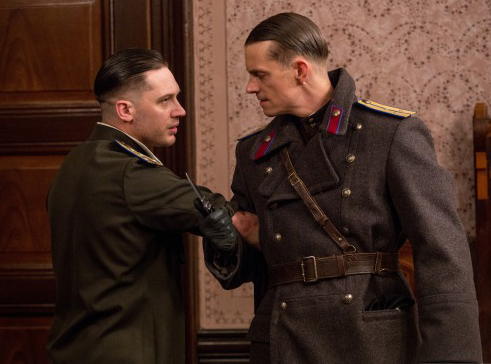 The quest to find the killer, who has a fetish for picking up his victims by the railway tracks and leaving them drowned and dismembered, is gripping enough in its dismal way, the drama enlivened somewhat by the presence of the ever-watchable Tom Hardy as investigator Leo Demidov. He gets ambivalent support from Noomi Rapace – with whom he also co-starred in The Drop – as his wife Raisa, who (we learn) only married Leo out of fear, since he was a big shot in the security service ("a star investigator of dissident activity", in fact). The human side of the story tries to show us how Leo has come to repent of the beatings, betrayals and arrests that have been his stock-in-trade, but, understandably, Espinosa and screenwriter Richard Price struggle to meet the challenge of wringing some sympathetic tones out of a character who really deserves to be thrown down a lift shaft rather than pitied or admired. Even if he does resist official pressure to get him to find incriminating evidence about his own wife.
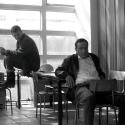
However, it was part of Smith's purpose to dissect a nightmarish society which has had the humanity systematically beaten out of it, and the film does its best to put his vision on the screen. The narrative opens before World War Two, where the young Leo has barely managed to survive Stalin's genocidal starvation of the Ukraine. He joins the Red Army and is at the sharp end when Berlin falls in 1945, even becoming part of the famous photo of the hammer and sickle flag being raised on the Reichstag. But the euphoria of victory, and the closeness which has grown up between Leo and his army buddies, leach away in the post-war paranoia of Moscow. Vasili (Joel Kinnaman, pictured above with Hardy), the coward of Leo's wartime platoon, connives and schemes his way up the MGB career ladder and jealously does his best to ruin Leo's life.
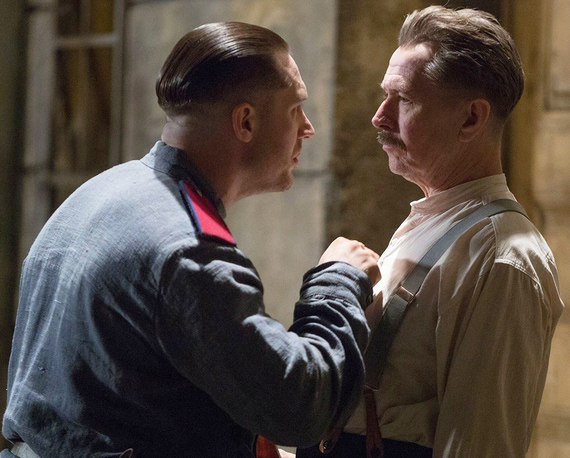 This historical backdrop lends Child 44 a distinctive aura, but the workaday mechanics of the plot feel like they've been borrowed from a cluster of previous movies. Gorky Park inevitably springs to mind, along with The Silence of the Lambs, and the presence of Rapace conjures flashbacks of all manner of Nordic mayhem. Hardy's intelligently nuanced performance is the best reason for seeing it, though he gets skilful support from Gary Oldman as General Nesterov (pictured above left), a potentially good man whose talents have been all but extinguished by exile in a graveyard town called Volsk.
You're left with the sense of a film attempting to say some ambitious things about a specific time in history and what a crushing totalitarian system can do to the human spirit, but the "thriller" part shrivels up along the way. It's as if it couldn't manage to lift itself out of so much gloom and grimness.