

The first half of last night’s Prom was supposed to be linked by the theme of the First World War, but Anthony Marwood’s illness meant that Sally Beamish’s Violin Concerto, based on All Quiet on the Western Front, had to be replaced at late notice by her accordion concerto The Singing. And what a felicitous change it was; James Crabb stepped in to give a glowing performance of a fascinating and subtle work which, for me, is a better piece than the intense and difficult Violin Concerto.
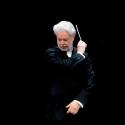
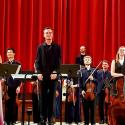
After the interval came music perceptibly foreshadowing the horrors of the Second World War. Walton’s First Symphony is an extraordinary and original piece, and this interpretation by Martyn Brabbins and the BBC Symphony Orchestra captured its volcanic energy. The only pity was that the concert was so sparsely attended.
The evening opened with Ivor Gurney’s eloquent War Elegy. Gurney’s life was a tragic one (and fully explored in this BBC Building a Library podcast) in which he was gassed, shot and shell-shocked, and later succumbed to schizophrenia. Written in 1920, in a short spell between his discharge and committal, the War Elegy is a touching tribute to his lost comrades. Gurney’s output is extremely variable but here he emulates Elgar in noble vein, and the best passages are worthy of the older master. Martyn Brabbins got the pacing just right, allowing the marching bass figures to have impact without dragging, funereal but not deathly. The strings were perhaps too polished and beautiful for such an anguished work but that is a minor complaint, and the piece was largely well served and deserved its first Proms outing.
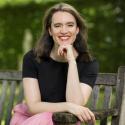
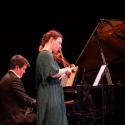
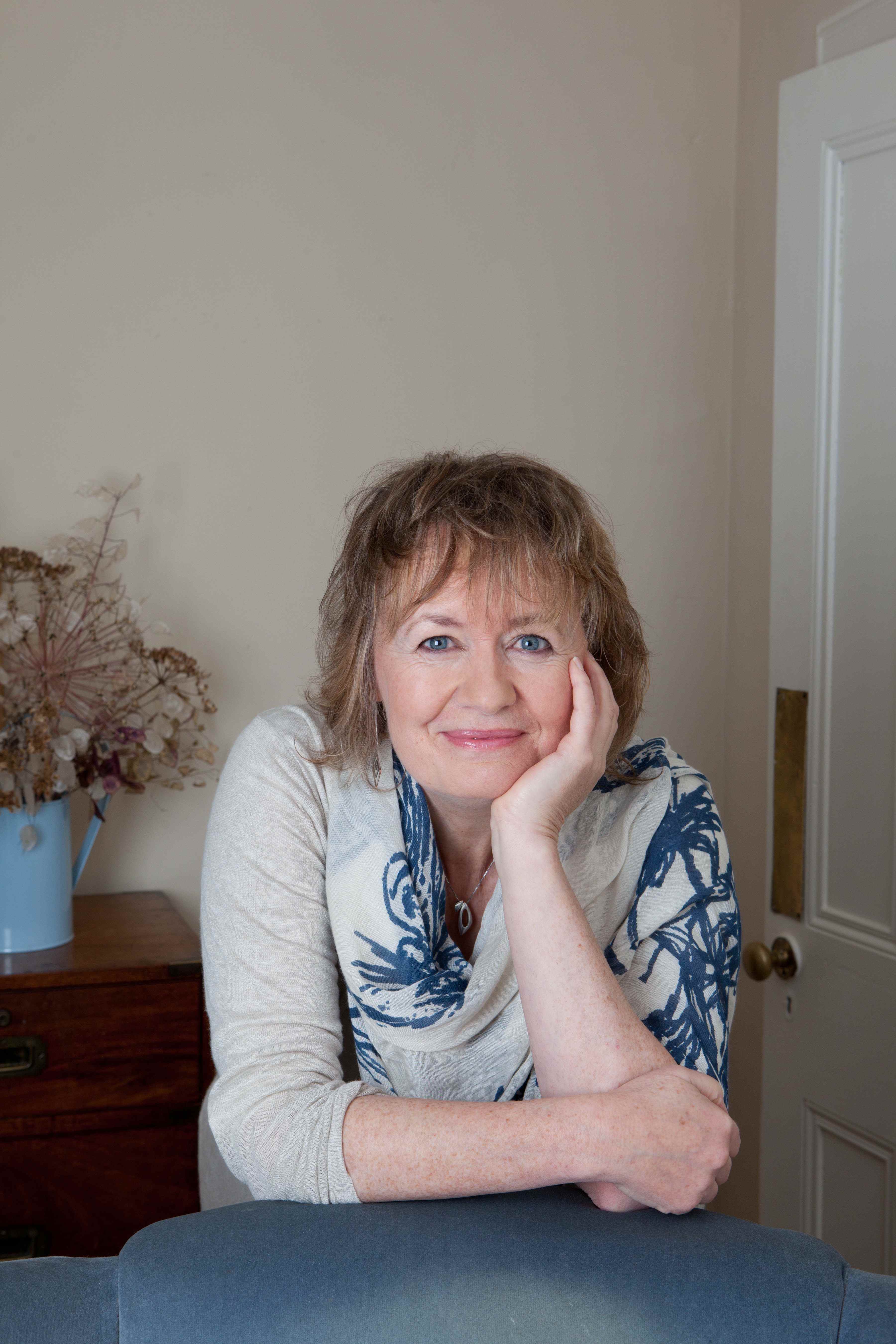 Sally Beamish (pictured left) wrote The Singing in 2006. It starts with the accordion playing a note-less rhythm, a breathing sound which was quickly picked up by the percussion. Melody, when it comes, is inspired by Gaelic folk-music, played with infinite subtlety of tone last night by James Crabb.
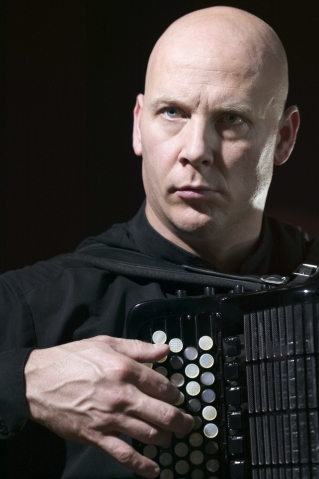
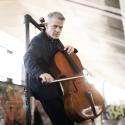
The most notable feature of the orchestration is Beamish’s trick of turning the whole orchestra into a giant accordion, blending the soloist in high register with a fluttering piccolo, or in static moments with vibrato-less violas. The folk element persisted in the second movement, a set of variations on a captivating pibroch before the lively whirl of the finale, a fleet-footed BBCSO giving no indication of a shortage of rehearsal. The Singing is a splendid piece which Crabb (pictured below) is about to record: I shall certainly be buying the disc.
 Walton’s First Symphony crowned the evening, with its stern and vigorous response to what the composer described as the “hopelessness and chaos” of the European political situation of the 1930s. Walton struggled to create the music, finally completing it after four years’ work. The blood and sweat is not obvious in the music though, which has a momentum which carries it swiftly through its nearly 50 minutes’ duration.
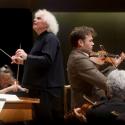
The symphony generates extraordinary power from a modest orchestra – only double woodwind and very little percussion – and there was a dramatic thrust throughout this performance. Martyn Brabbins was an urgent presence on the podium, driving the long crescendo at the end of the first movement remorselessly. The malicious scherzo had sufficient bite but the slow movement, which started gorgeously, lost a bit of momentum in the middle. But the last movement was brisk and bracing, the large brass excelled both in full-throated chordal writing and Alan Thomas’s quizzical trumpet solos.



Add comment