
theartsdesk com, first with arts reviews, news and interviews
Aleks Sierz
Saturday, 20 April 2024

“He do the police in different voices.” If ever one phrase summed up a work of fiction, and the art of its writer, then surely it is this description, by Charles Dickens in his...
Cheri Amour
Saturday, 20 April 2024

For most people’s 40th birthday celebrations, they might get a few friends together, rustle up a cake, and toast to another turn around the sun. But when musician Lail Arad...
Veronica Lee
Friday, 19 April 2024

If you don't like sweary comics – Jonathan Pie uses the c-word liberally – then this may not be the show for you. In fact if you're a Tory, ditto, because it is 70 minutes of...
Helen Hawkins
Friday, 19 April 2024
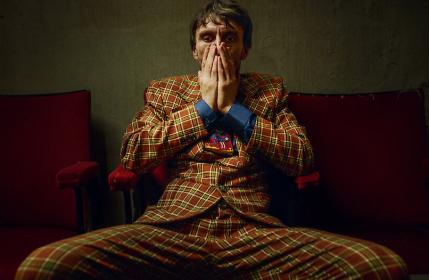
Richard Gadd won an Edinburgh Comedy Award in 2016 with material about being sexually abused by a man, in a set called Monkey See, Monkey Do that he performed on a treadmill with...
David Nice
Friday, 19 April 2024

Virtuosity and a wildly beating heart are compatible in Richard Jones’s finely calibrated production of Renaissance woman Sophie Treadwell’s Machinal. It hits hard as a 1920s...
Sarah Kent
Friday, 19 April 2024

The first photograph was taken nearly 200 years ago in France by Joseph Niépce, and the first picture of a person was taken in Paris by Louis Daguerre in 1838 (main picture)....

Robert Beale
Friday, 19 April 2024
If ever more evidence were needed of Sir Mark Elder’s untiring zest for exploration and love of the thrill of live opera...

Justine Elias
Friday, 19 April 2024
Music, when the singer’s voice dies away, vibrates in the memory. In the hypnotic new Irish horror film All You Need Is...

Thomas H Green
Friday, 19 April 2024
Record Store Day is tomorrow! At theartsdesk on Vinyl we’ve been sent a selection of exclusive RSD goodies. Check out the...

Joe Muggs
Friday, 19 April 2024
As I sat down to write this review, the sun came out. It was a salutory reminder of the importance of context: where I’d...

Markie Robson-Scott
Thursday, 18 April 2024
Teenage Ulzii (Battsooj Uurtsaikh in an elegantly restrained performance) is looking after his little sister and brother in...

Helen Hawkins
Thursday, 18 April 2024
The Book of Clarence comes lumbered with the charge of being the new Life of Brian, an irreverent spoof of the life of...

Jon Turney
Thursday, 18 April 2024
Our home planet orbits the medium-size star we call the Sun. There are unfathomably many more stars out there. We accepted...

Tom Carr
Thursday, 18 April 2024
Thirty years, and over 75 million copies sold. It’s been a long journey from Nineties Seattle for Pearl Jam, the grunge...

David Nice
Wednesday, 17 April 2024
All three works in the second of this week’s Neville Marriner centenary concerts from the ensemble he founded vindicated...
An Actor Convalescing in Devon, Hampstead Theatre review - old school actor tells old school stories

Gary Naylor
Wednesday, 17 April 2024
One can often be made to feel old in the theatre. A hot take in a snappy 90 minutes (with video!) on the latest Gen Z...

Colin Alexander And Héloïse Werner
Wednesday, 17 April 2024
For tonight’s performance at Milton Court, the nuanced and delicate tones of strings, voices, harmonium and chamber organ...

Sarah Kent
Wednesday, 17 April 2024
Yinka Shonibare’s Serpentine Gallery exhibition opens with a piece of cloth twirling in the breeze; except that it’s a...

Kieron Tyler
Wednesday, 17 April 2024
Death Songbook is, says Charles Hazlewood, founder, artistic director and conductor of Paraorchestra, an album of “music...
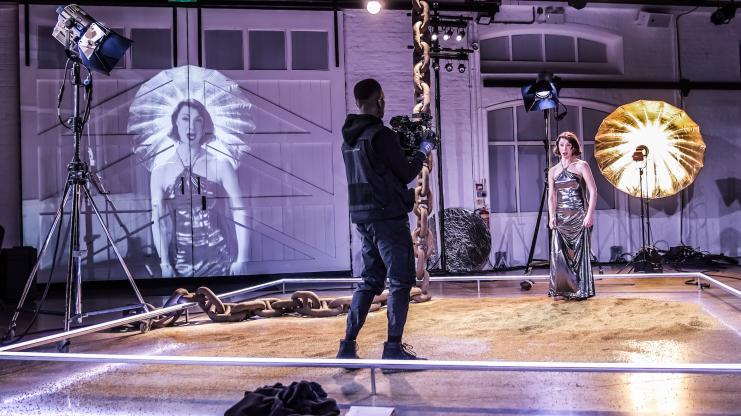

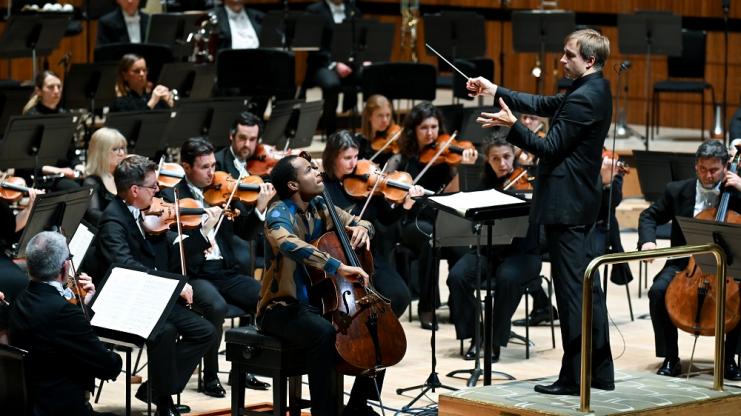

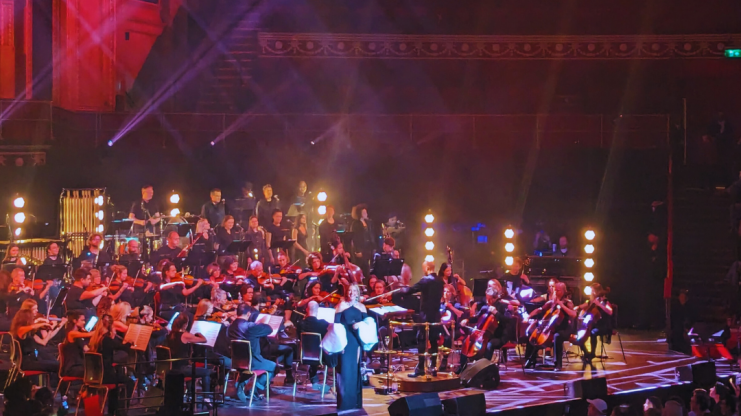


tv
 Baby Reindeer, Netflix review - a misery memoir disturbingly presented
Richard Gadd's double traumas are a difficult watch but ultimately inspiring
 Anthracite, Netflix review - murderous mysteries in the French Alps
Who can unravel the ghastly secrets of the town of Lévionna?
 Ripley, Netflix review - Highsmith's horribly fascinating sociopath adrift in a sea of noir
Its black and white cinematography is striking, but eventually wearying
film
 Fantastic Machine review - photography's story from one camera to 45 billion
Love it or hate it, the photographic image has ensnared us all
 All You Need Is Death review - a future folk horror classic
Irish folkies seek a cursed ancient song in Paul Duane's impressive fiction debut
 If Only I Could Hibernate review - kids in grinding poverty in Ulaanbaatar
Mongolian director Zoljargal Purevdash's compelling debut
new music
 The Songs of Joni Mitchell, The Roundhouse review - fans (old and new) toast to an icon of our age
A stellar line up of artists reimagine some of Mitchell’s most magnificent works
 theartsdesk on Vinyl: Record Store Day Special 2024
Annual edition checking out records exclusively available on this year's Record Store Day

classical
 Bell, Perahia, ASMF Chamber Ensemble, Wigmore Hall review - joy in teamwork
A great pianist re-emerges in Schumann, but Beamish and Mendelssohn take the palm
 First Persons: composers Colin Alexander and Héloïse Werner on fantasy in guided improvisation
On five new works allowing an element of freedom in the performance
 First Person: Leeds Lieder Festival director and pianist Joseph Middleton on a beloved organisation back from the brink
Arts Council funding restored after the blow of 2023, new paths are being forged
opera
 Simon Boccanegra, Hallé, Elder, Bridgewater Hall, Manchester review - thrilling, magnificent exploration
Verdi’s original version of the opera brought to exciting life
 Aci by the River, London Handel Festival, Trinity Buoy Wharf Lighthouse review - myths for the #MeToo age
Star singers shine in a Handel rarity
 Carmen, Royal Opera review - strong women, no sexual chemistry and little stage focus
Damiano Michieletto's new production of Bizet’s masterpiece is surprisingly invertebrate
theatre
 London Tide, National Theatre review - haunting moody river blues
New play-with-songs version of Dickens’s 'Our Mutual Friend' is a panoramic Victori-noir
 Machinal, The Old Vic review - note-perfect pity and terror
Sophie Treadwell's 1928 hard hitter gets full musical and choreographic treatment
 An Actor Convalescing in Devon, Hampstead Theatre review - old school actor tells old school stories
Fact emerges skilfully repackaged as fiction in an affecting solo show by Richard Nelson
dance
All You Need Is Death review - a future folk horror classic
Irish folkies seek a cursed ancient song in Paul Duane's impressive fiction debut
 MacMillan Celebrated, Royal Ballet review - out of mothballs, three vintage works to marvel at
Less-known pieces spanning the career of a great choreographer underline his greatness
 Carmen, English National Ballet review - lots of energy, even violence, but nothing new to say
Johan Inger's take on Carmen tries but fails to make a point about male violence
comedy
 Jonathan Pie, Duke of York's Theatre review - spoof political reporter takes no prisoners
Tom Walker in a bravura display
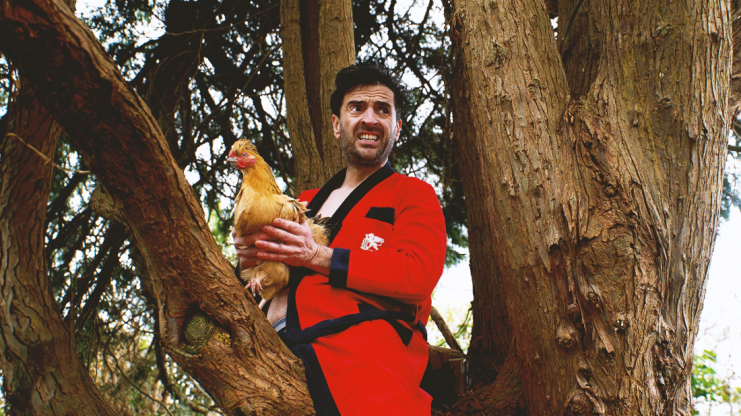
 Spencer Jones: Making Friends, Soho Theatre review - award-winning comedian mines his post-lockdown escape to the country
If big chickens scare you, this is your thing!
 Six Chick Flicks, Leicester Square Theatre review - funny, frenetic and feminist spoof
Whip-smart parody of the genre
Books
 Lisa Kaltenegger: Alien Earths review - a whole new world
Kaltenegger's traverses space in her thoughtful exploration of the search for life among the stars
 Heather McCalden: The Observable Universe review - reflections from a damaged life
An artist pens a genre-spanning work of tender inconclusiveness
 Dorian Lynskey: Everything Must Go review - it's the end of the world as we know it
Authoritative account of how the apocalypse has always been just around the corner
visual arts
Fantastic Machine review - photography's story from one camera to 45 billion
Love it or hate it, the photographic image has ensnared us all
 Yinka Shonibare: Suspended States, Serpentine Gallery review - pure delight
Weighty subject matter treated with the lightest of touch
 Jane Harris: Ellipse, Frac Nouvelle-Aquitaine MÉCA, Bordeaux review - ovals to the fore
Persistence and conviction in the works of the late English painter
latest comments
Couldn't agree more. THIS is the one to see to...
I watched it yesterday and it made feel like "Oh...
I saw this today at The Curve, why any theatre...
Y'all be giving out 100's like hotcakes, do y'all...
Seen in Oxford 9th April. I agree entirely...
Gee thanks, Richard... but the truth is, only...
I tried to warn you...
The Talented Ms Hawkins. You were 'wasted' all...